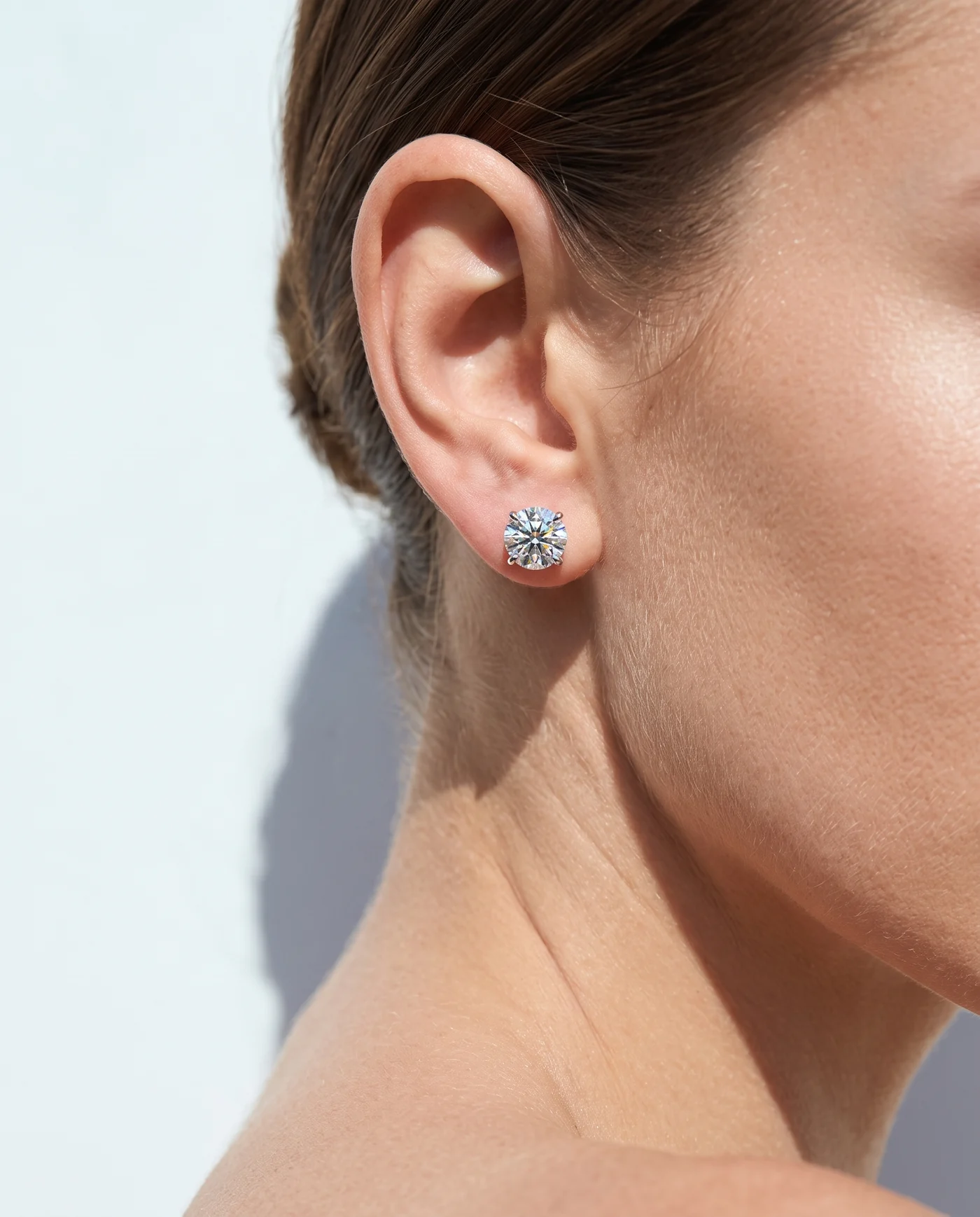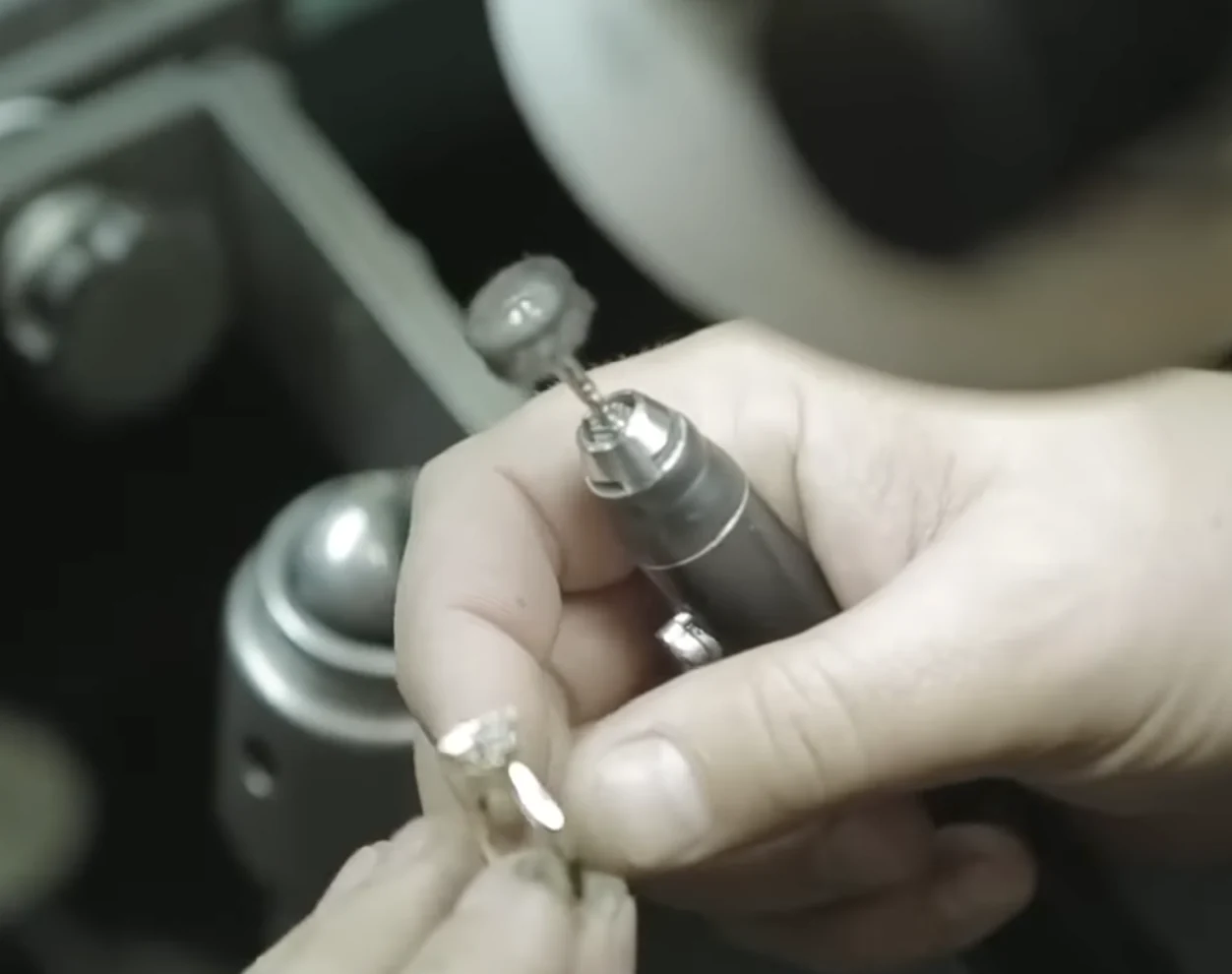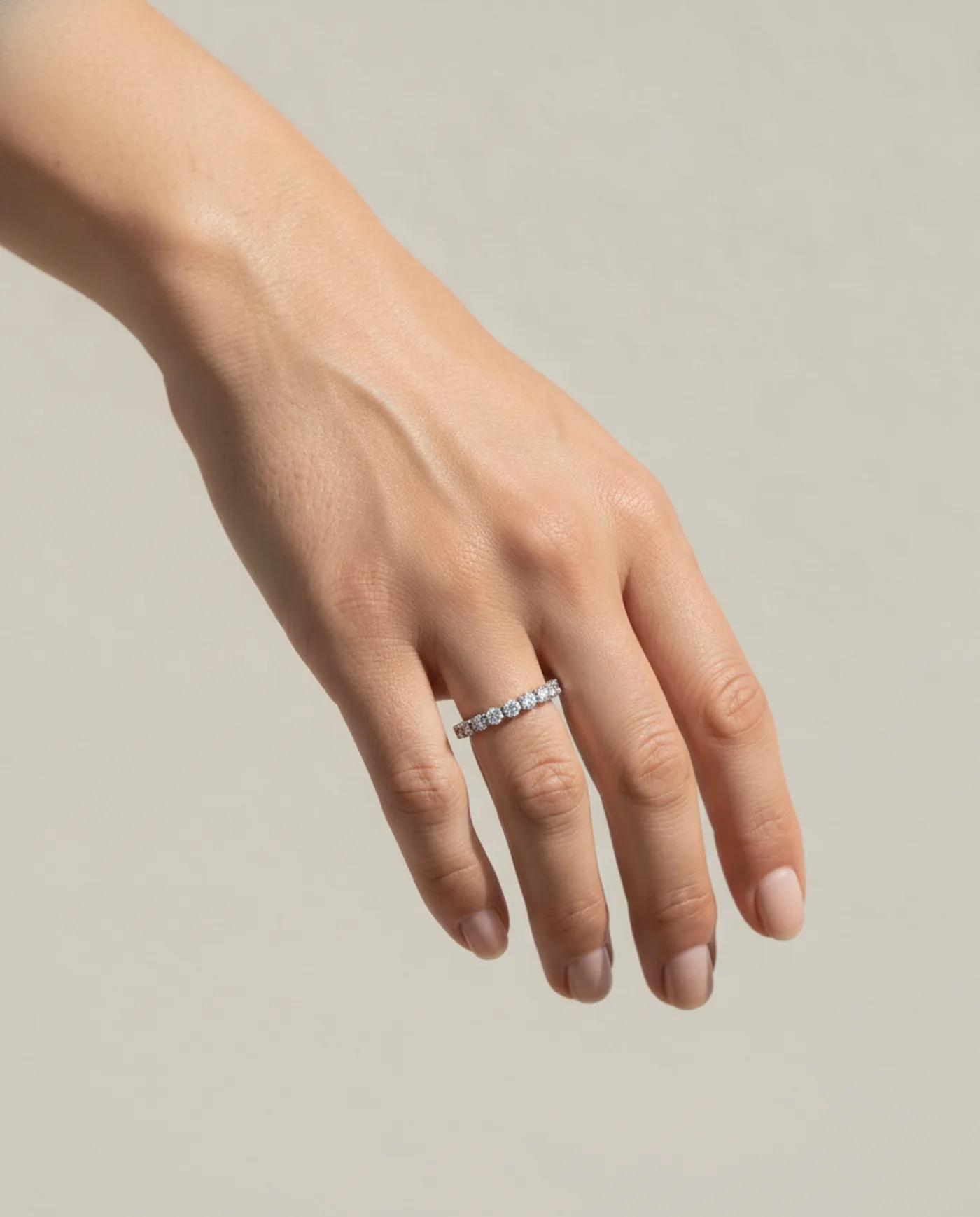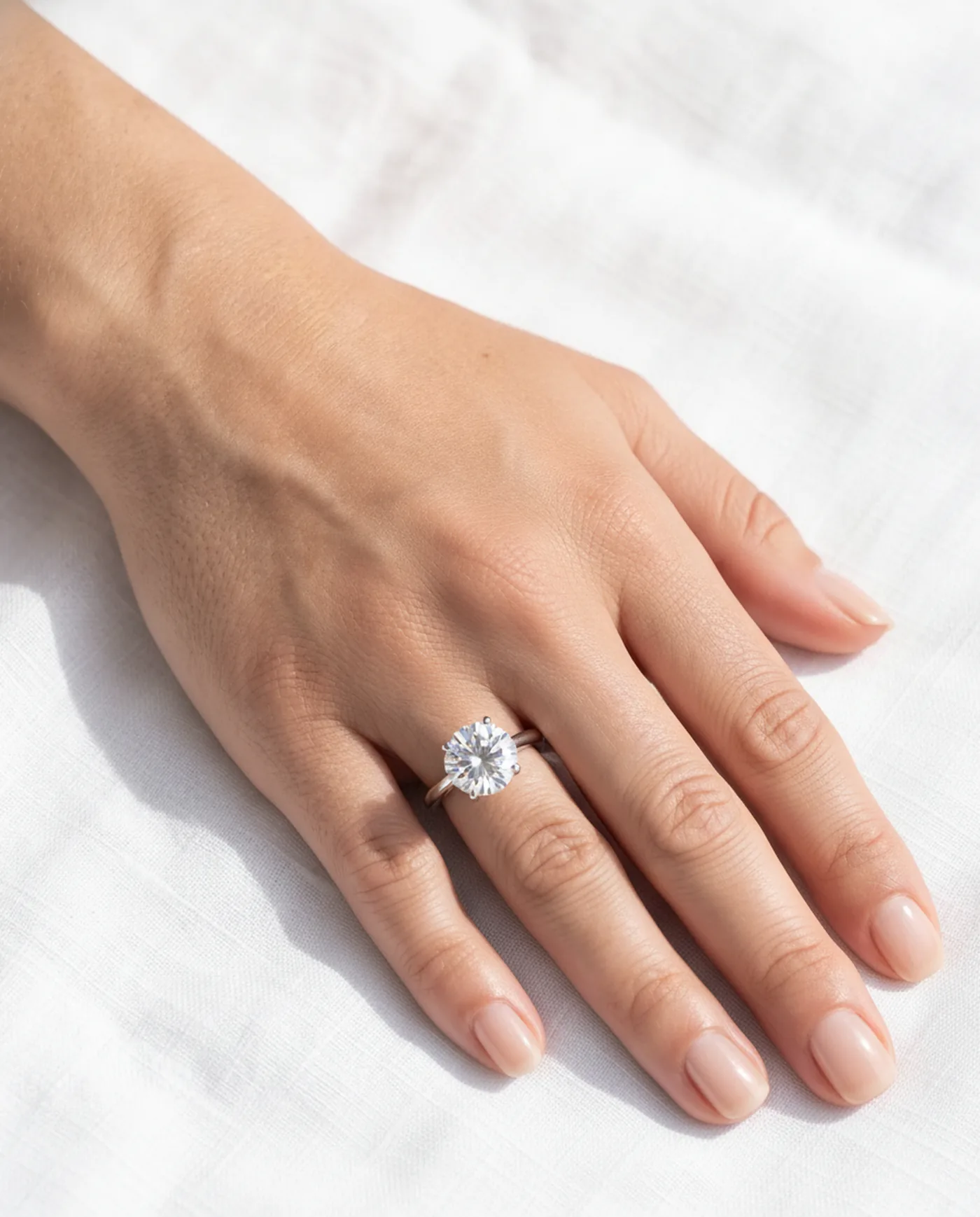
Gold vermeil is sterling silver covered on all significant surfaces with gold of at least 10 karat, at least 2.5 microns thick, by the US Federal Trade Commission’s definition. Gold plated jewelry can carry as little as 0.175 microns of gold over any base metal. Dorvelle finishes its yellow pieces in gold vermeil over 925 silver.
The definition, word by word
Vermeil, pronounced ver-may, is the US Federal Trade Commission’s term for sterling silver coated with gold of at least 10 karat and at least 2.5 microns thick on all significant surfaces. A piece may be called vermeil only if it meets all three tests.
The base is sterling silver. Not brass, not copper, not steel. Sterling, which the same guides define as silver at least 925 parts per thousand. Under the gold, the piece is a real precious metal in its own right.
The gold is at least 10 karat. Ten karat is 10 parts in 24 gold, 41.7 percent. In practice most vermeil uses a higher karat, because the color of the finished piece is the color of the gold alloy that goes on it. A 14k or 18k yellow gives the warm tone people expect.
The gold is at least 2.5 microns thick, everywhere it matters. A micron is a thousandth of a millimeter. The guides require a thickness equivalent to 2.5 microns of fine gold across all significant surfaces, so the inside of a band and the underside of a setting count, not only the parts that face up.
Vermeil versus gold plated
Gold plated jewelry needs only 0.175 microns of gold over any base metal, about a fourteenth of the vermeil minimum, while vermeil requires 2.5 microns of gold over sterling silver. The same FTC guides draw the line.
A piece may be called gold electroplate when it carries at least 0.175 microns of gold of at least 10 karat. That is about a fourteenth of the vermeil minimum. The base can be any metal.
A piece may be called heavy gold electroplate at 2.5 microns, the same thickness as vermeil, but again over any base metal.
So vermeil is defined by two things at once: a thick gold layer and a sterling silver body. Take away either and the word no longer applies. A brass ring with 2.5 microns of gold is heavy gold plate. A sterling ring with half a micron of gold is gold plated sterling. Only sterling under 2.5 microns or more is vermeil.
Gold filled is a different process again. A sheet of gold alloy is bonded to a base metal under heat and pressure, with the gold making up a fixed fraction of the piece’s weight. It is used for chains and findings more than for cast rings.
| Term | Base metal | Minimum gold |
|---|---|---|
| Vermeil | Sterling silver | 2.5 microns, at least 10k |
| Heavy gold electroplate | Any | 2.5 microns, at least 10k |
| Gold electroplate | Any | 0.175 microns, at least 10k |
| Gold filled | Any | A fixed fraction of the piece’s weight, bonded as sheet |
How vermeil is made
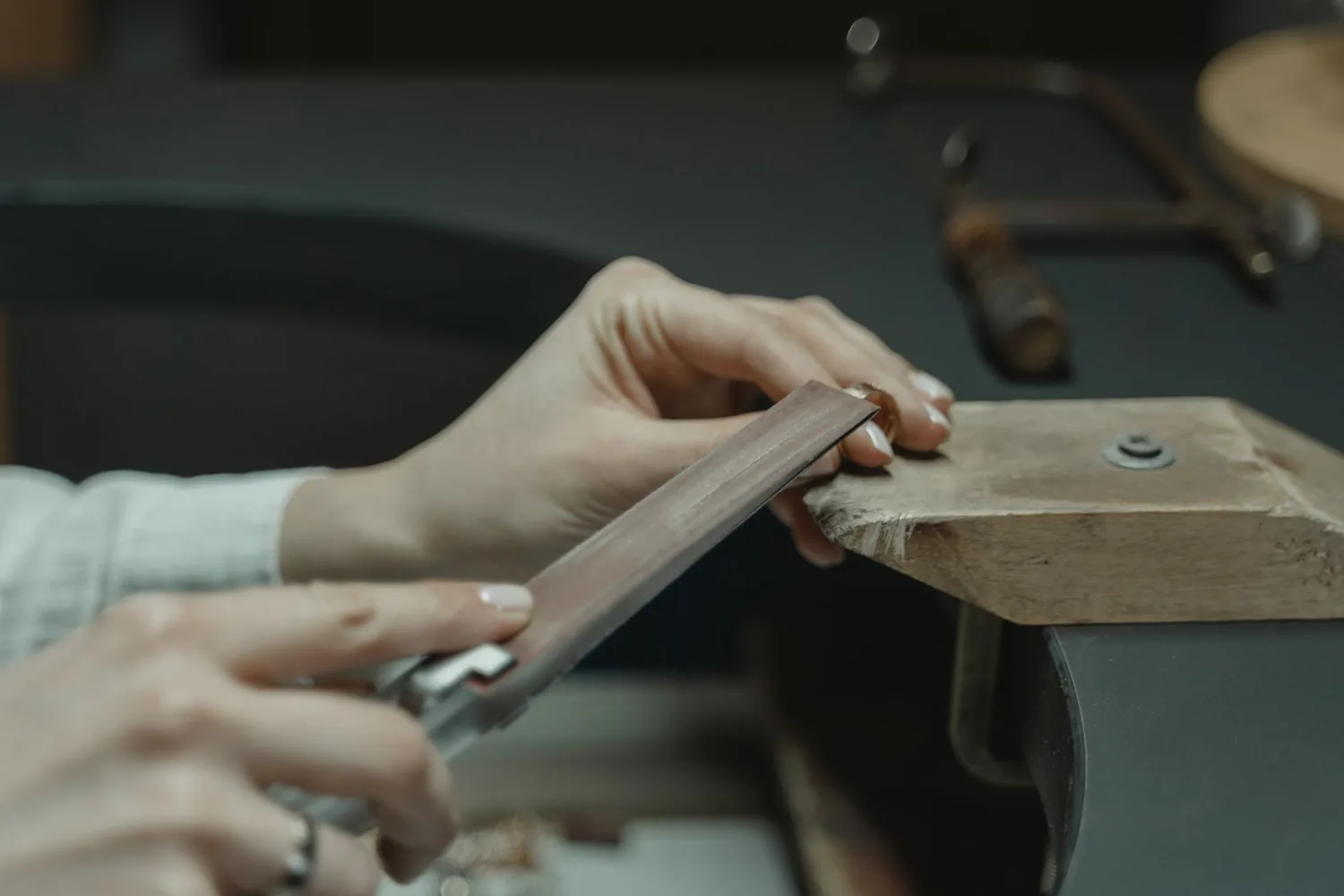
Vermeil is made by electroplating: the finished sterling piece is the cathode in a gold solution, and a current moves gold onto the silver, layer by layer, until the thickness passes 2.5 microns. Every surface is polished to its final shape first, because plating follows the surface underneath it exactly, and a scratch under the gold is a scratch in the gold.
Then it is cleaned and goes into an electroplating bath. The piece is connected as the cathode, gold is dissolved in the solution, and a current moves gold atoms onto the silver, layer by layer. Thickness is a function of time and current, and the plater measures it. For vermeil the bath runs until the layer is past 2.5 microns across the piece.
A thin flash of gold takes seconds. A vermeil layer takes a good deal longer, which is most of why it costs more and why the result is a different thing.
What it looks like
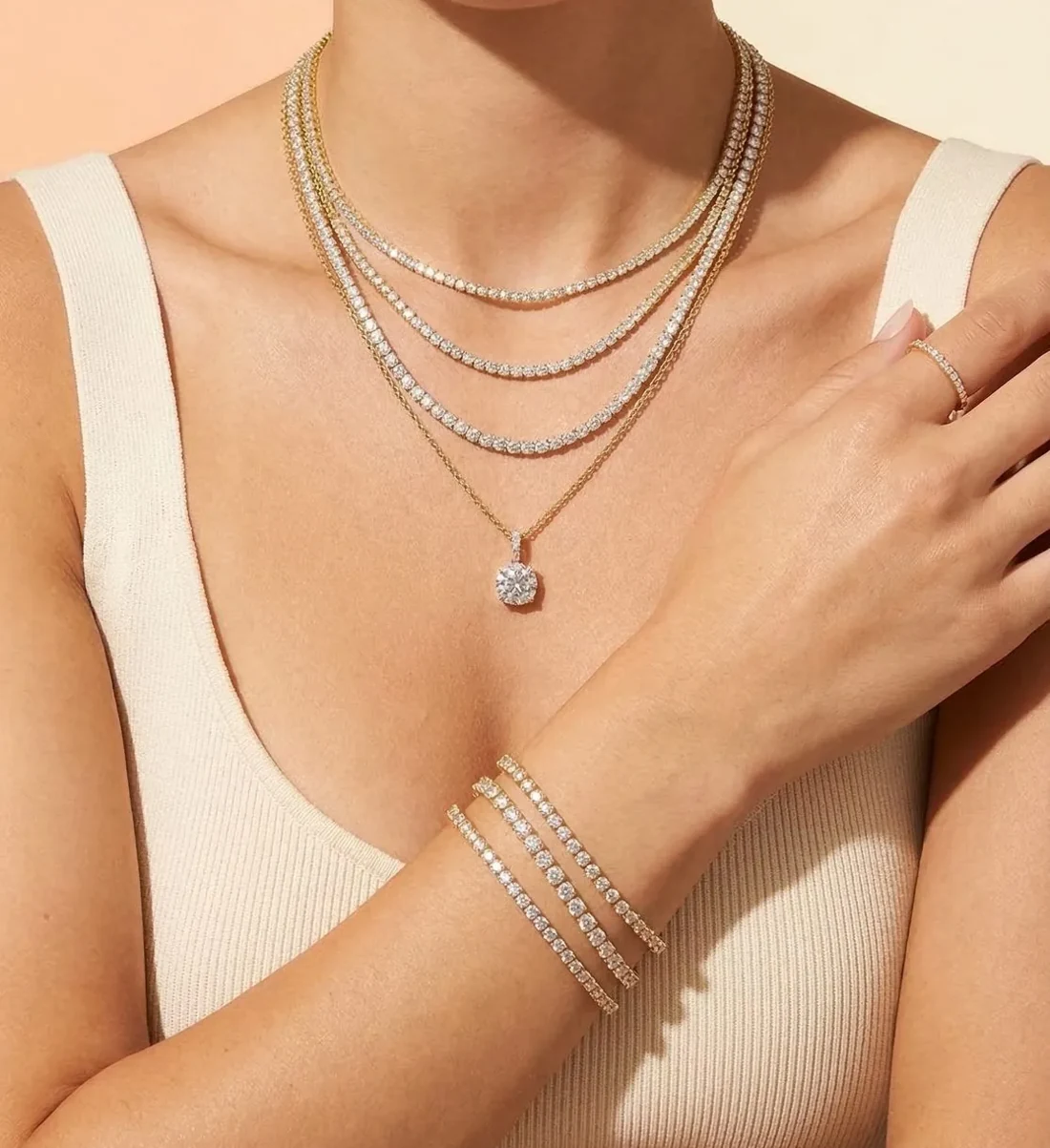
Vermeil looks like solid gold because the surface is gold: a 14k yellow bath gives the familiar warm color, an 18k runs richer, and rose and white alloys exist too. On a Dorvelle piece the yellow finish is chosen to sit beside the 14k yellow version of the same design, so that the silver piece and its gold twin read as the same color on the hand.
How Dorvelle finishes yellow
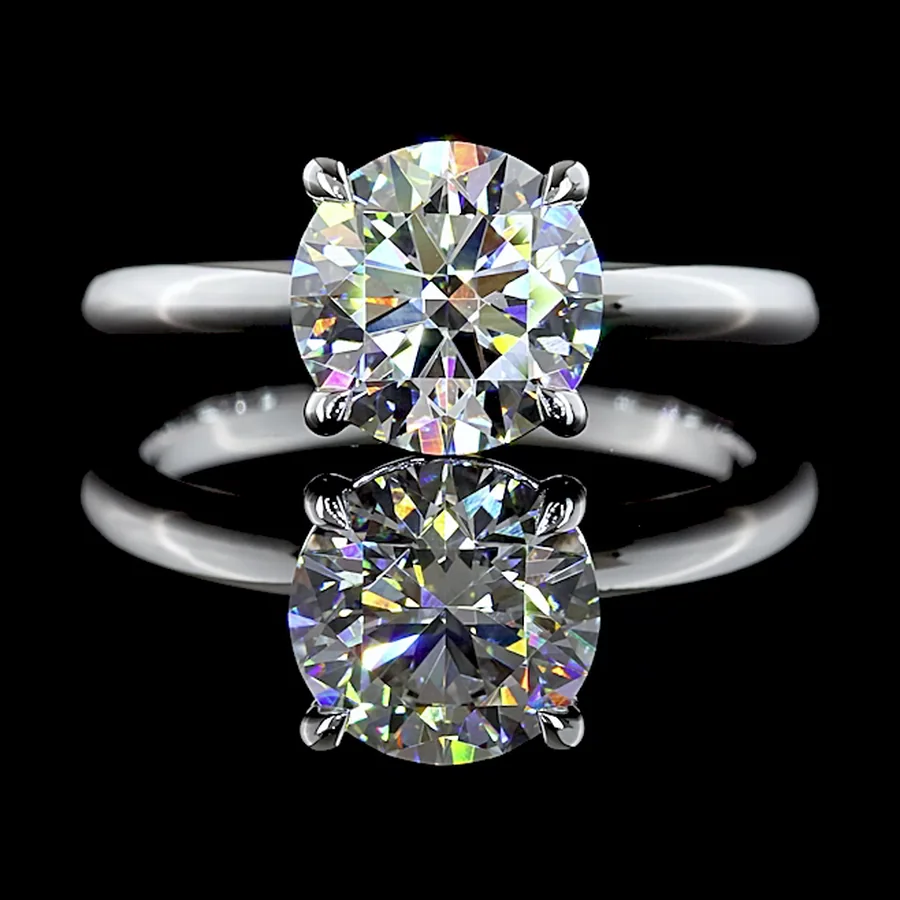
Dorvelle finishes yellow pieces in gold vermeil over sterling silver cast from the same CAD file as the 14k twin, so the stone, the prongs, the shank width and the proportions are the same in both metals. White pieces are finished in rhodium, the metal used on white gold. What changes is the metal under the finish, and the price.
Any time you want a yellow piece looking like the day it arrived, the bench refreshes the vermeil by mail. Request a prepaid label, send it in, and it comes back within 5 business days of arrival. The first time is on us. After that it is $45 with the label included. The care guide covers the routine between visits: on last after lotion and perfume, off for the pool and the gym, a soft cloth, its own pouch.
Reading the stamp
A vermeil piece is stamped for its body, not its finish, so look inside the band for 925, the mark for sterling silver; there is no required mark for vermeil itself. That is why the word on the listing matters, and why the FTC regulates how it is used. If a piece is described as vermeil and carries no 925 stamp, ask why.
Every Dorvelle piece is stamped 925. Is 925 silver real silver? explains the number, and what is rhodium covers the white finish.