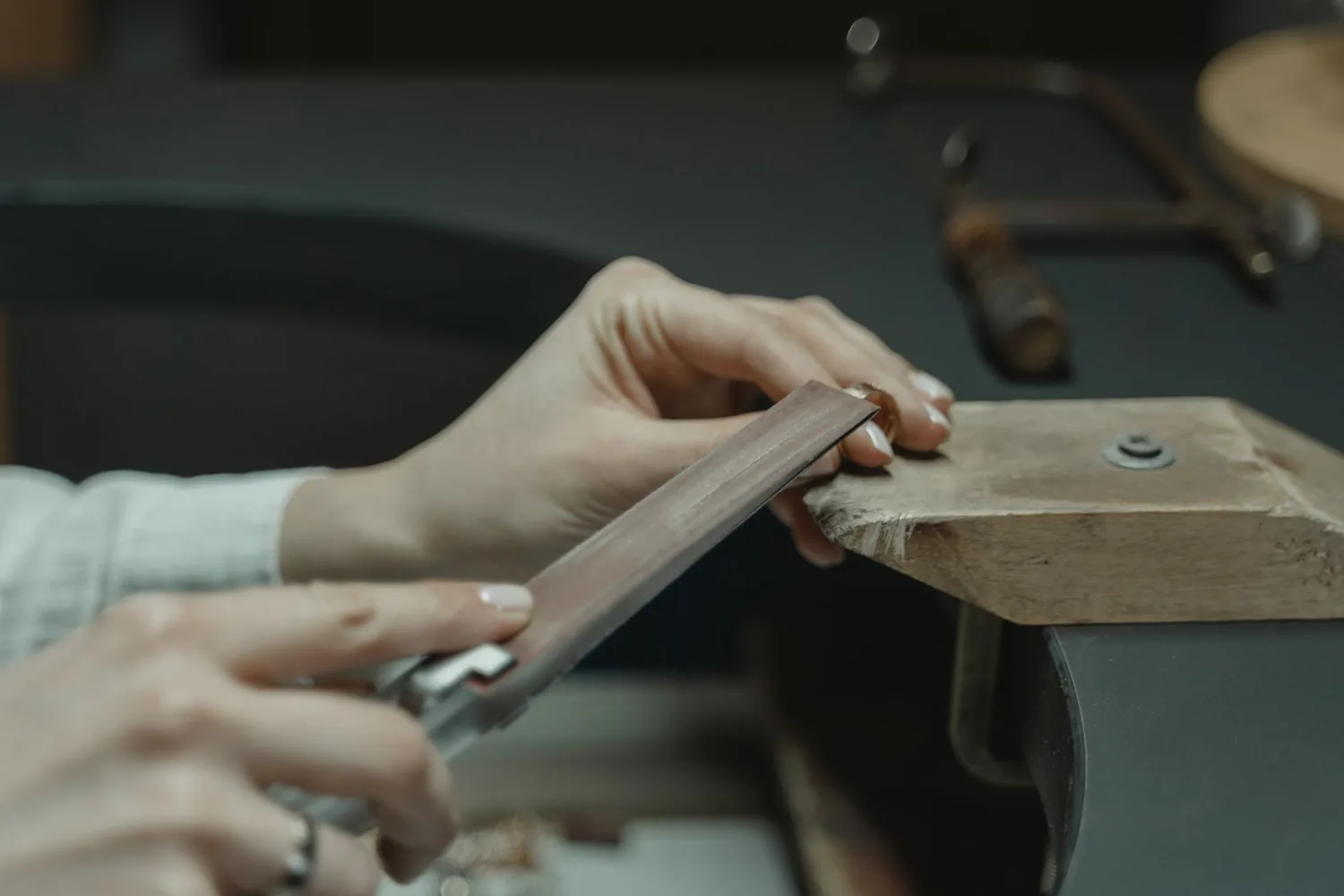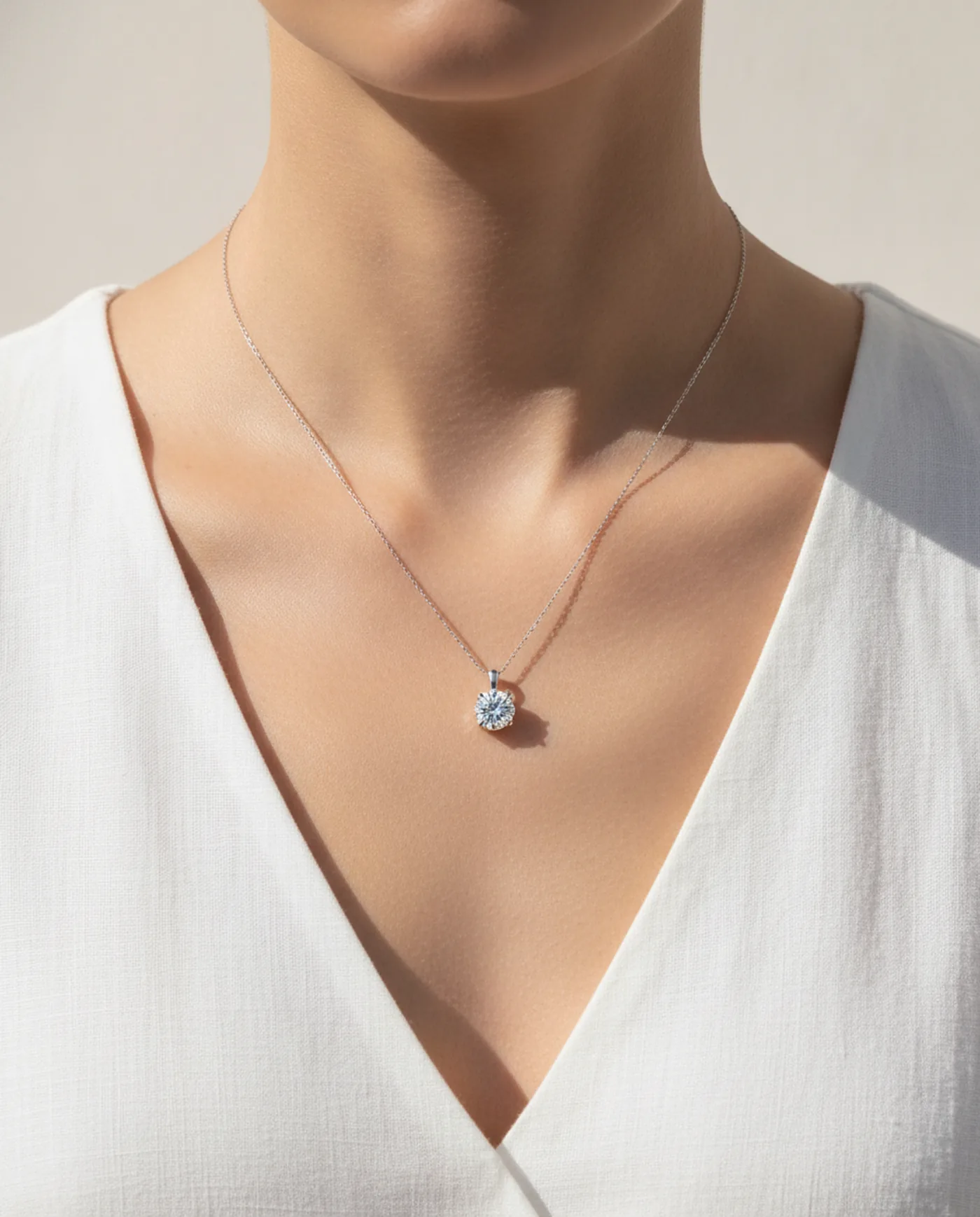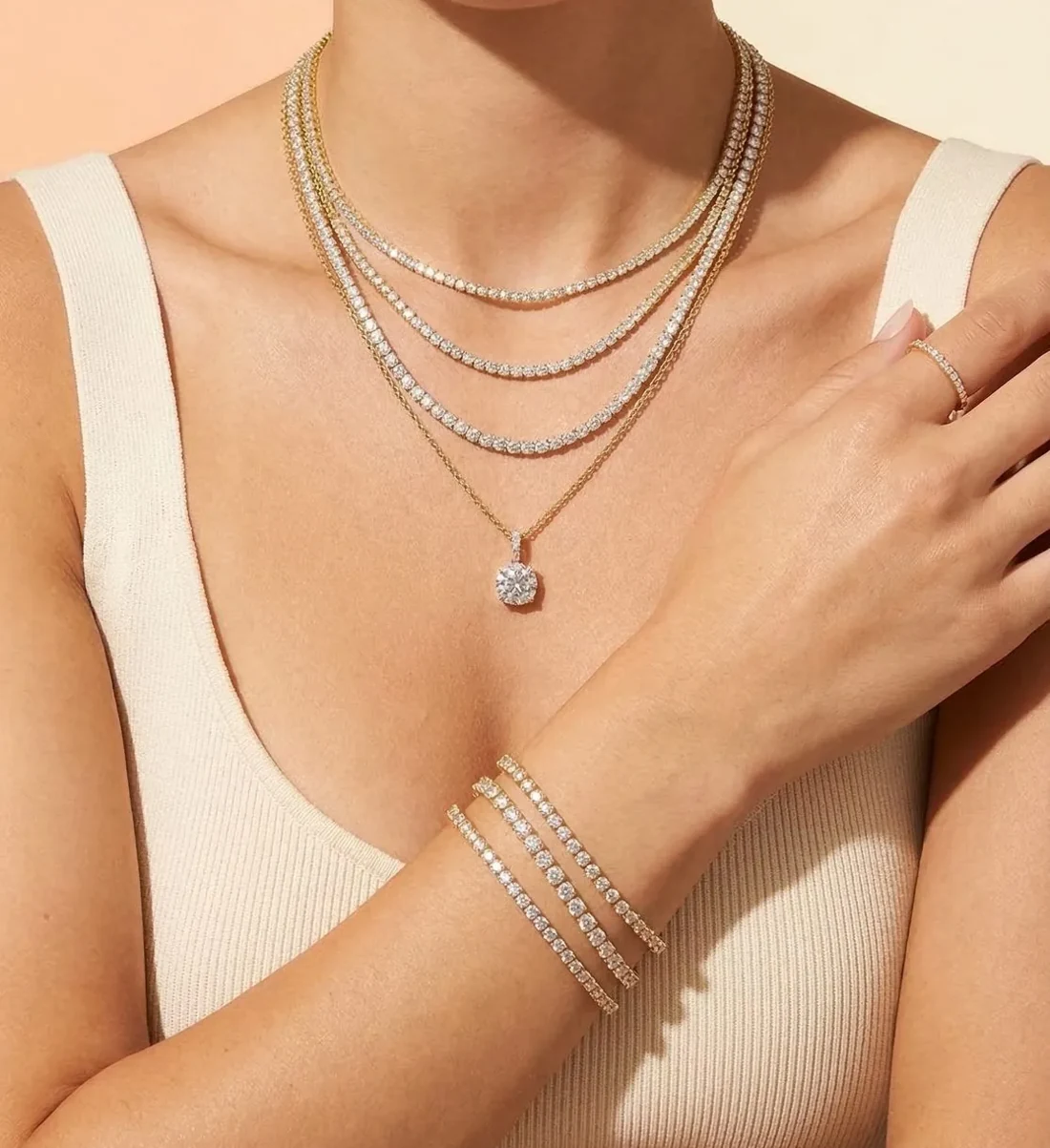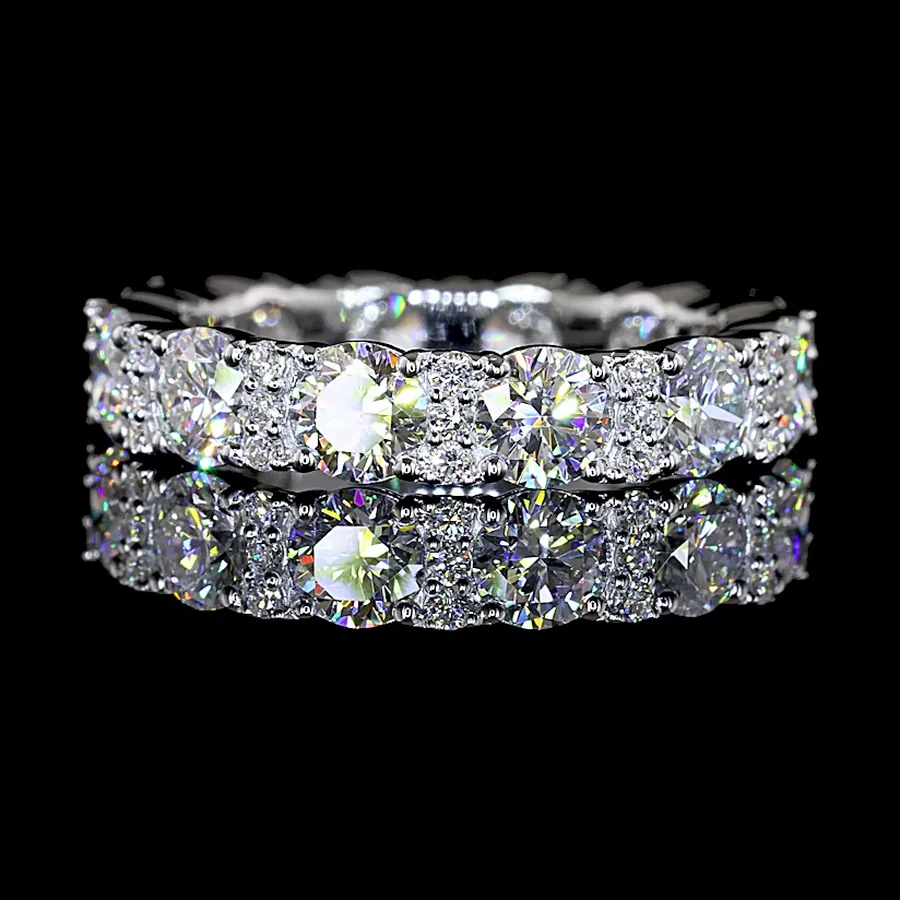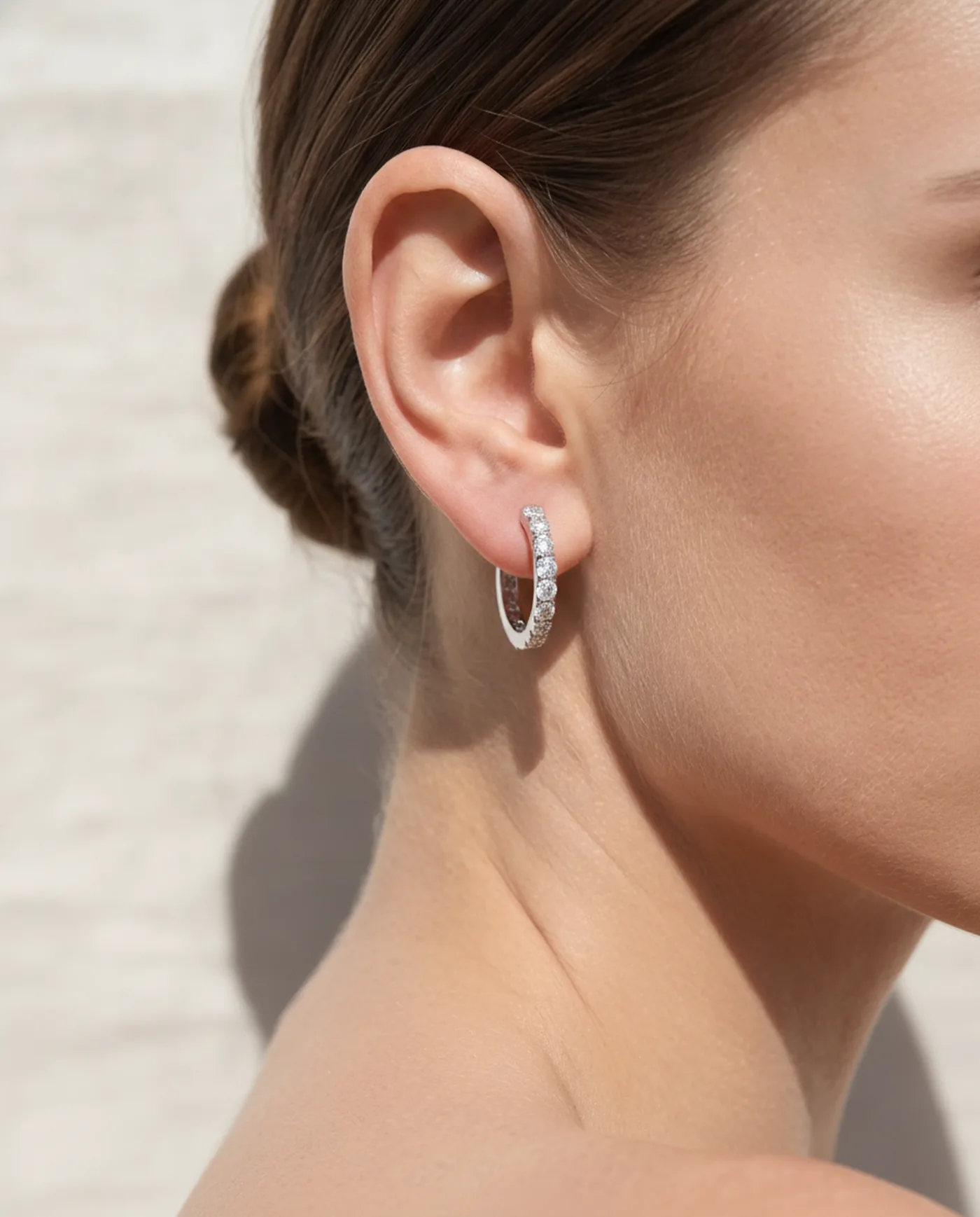
Yes. 925 silver is real silver: 92.5 percent pure silver by weight, with the rest usually copper, which is the alloy the law calls sterling. The US Federal Trade Commission allows the words sterling or silver only on metal at least 925 parts per thousand. Every Dorvelle piece is cast in it and stamped 925.
What the number means
925 is a fineness mark in parts per thousand: 925 of every 1,000 parts are silver and the remaining 75 are other metal, almost always copper, which is the alloy called sterling.
The same system covers the other grades you will see. 999 is fine silver, as pure as it is practical to refine. 950 is a higher grade used by some makers. 900 is coin silver, the old standard for US coinage.
Sterling, 925, is the standard for jewelry in most of the world, and has been for a long time. In England the sterling standard was fixed by statute in 1300, under Edward I, with the wardens of the Goldsmiths’ Company assaying the metal and striking a leopard’s head on pieces that passed. Seven centuries later the number has not moved.
| Mark | Silver content | Common use |
|---|---|---|
| 999 | 99.9 percent | Bullion, some hand-formed pieces |
| 950 | 95 percent | A higher grade used by some makers |
| 925 | 92.5 percent | Sterling, the jewelry standard |
| 900 | 90 percent | Coin silver, old US coinage |
Why not pure silver
Sterling exists because fine silver, 999, is too soft to hold a stone or keep its shape in a ring, and 7.5 percent copper hardens the alloy enough to be cast with crisp detail and worn every day. Fine silver is used for bullion and for some hand-formed pieces, and almost never for a ring with a stone in it.
Copper gives a setting the stiffness to hold a diamond. Sterling is markedly harder than fine silver once worked, and that is the whole reason the standard exists. It keeps nearly all of the silver and gains a metal that can be worn.
What the law says
Under the US Federal Trade Commission’s jewelry guides, a product may be described as silver, solid silver, sterling silver, sterling or Ster. only if it is at least 925 parts per thousand pure silver. Coin silver must be at least 900. A piece described as silver plated must carry a plating of silver of substantial thickness on all significant surfaces.
The National Stamping Act allows a small tolerance on a stamped piece: four parts per thousand where there is no solder, and ten where there is, since solder joints run slightly below the standard. A ring stamped 925 is, by law, sterling.
How to read the mark
The sterling mark is struck or laser-marked inside a ring’s band, on an earring’s post or back, or on a pendant’s bail, and reads 925, .925, S925 or STER, which all mean the same thing.
Older or imported pieces may carry a fuller set of marks. A British hallmark, for example, combines the fineness figure with the symbol of the assay office that tested it, a date letter, and the maker’s mark.
A finish does not change the mark. A sterling piece plated in rhodium or in gold vermeil is still sterling under the finish, and it is still stamped 925. The stamp describes the metal of the piece, not its surface. What is gold vermeil and what is rhodium explain the two finishes Dorvelle uses.
What sits on top
Every white Dorvelle piece is sterling silver finished in rhodium, the metal used to finish white gold, and every yellow piece is sterling finished in gold vermeil, with the same 925 under both. If you ever want a piece looking like the day it arrived, the bench refreshes the finish by mail, the first time free. The care guide has the details.
The short version
925 is sterling silver: real silver, 92.5 percent of it, alloyed with copper so that it can hold a stone and hold its shape, and the law reserves the word sterling for exactly this metal. The stamp inside the band is how you know.
Every Dorvelle piece is cast in sterling silver on 47th Street and stamped 925. See the collection.