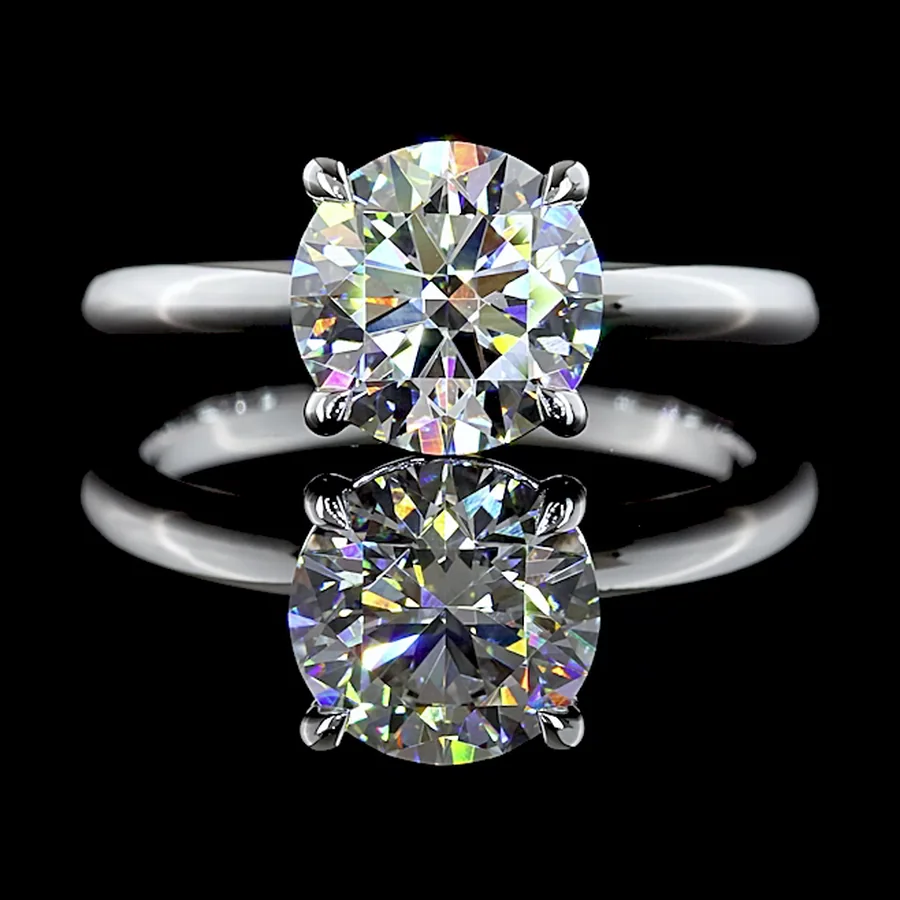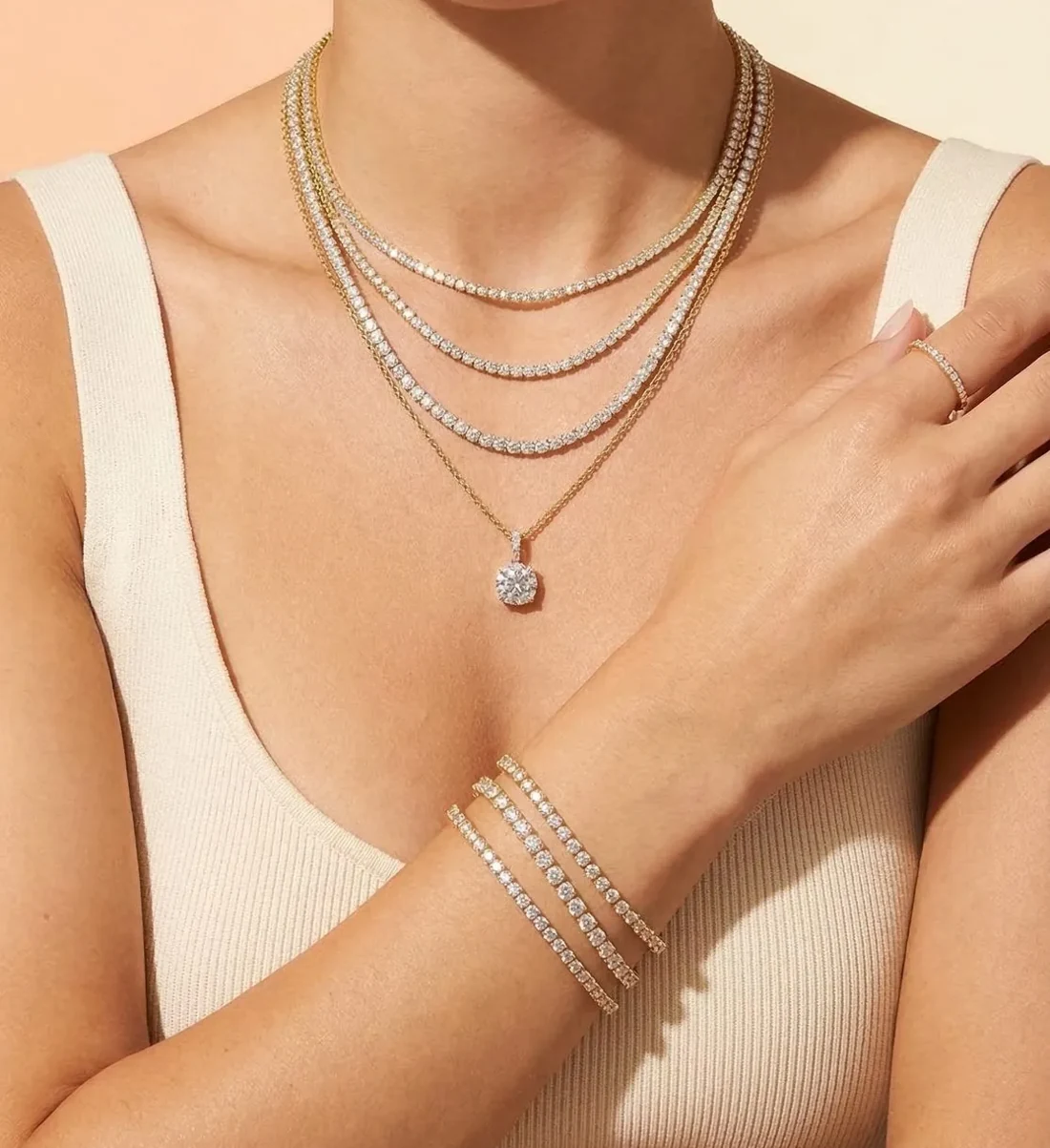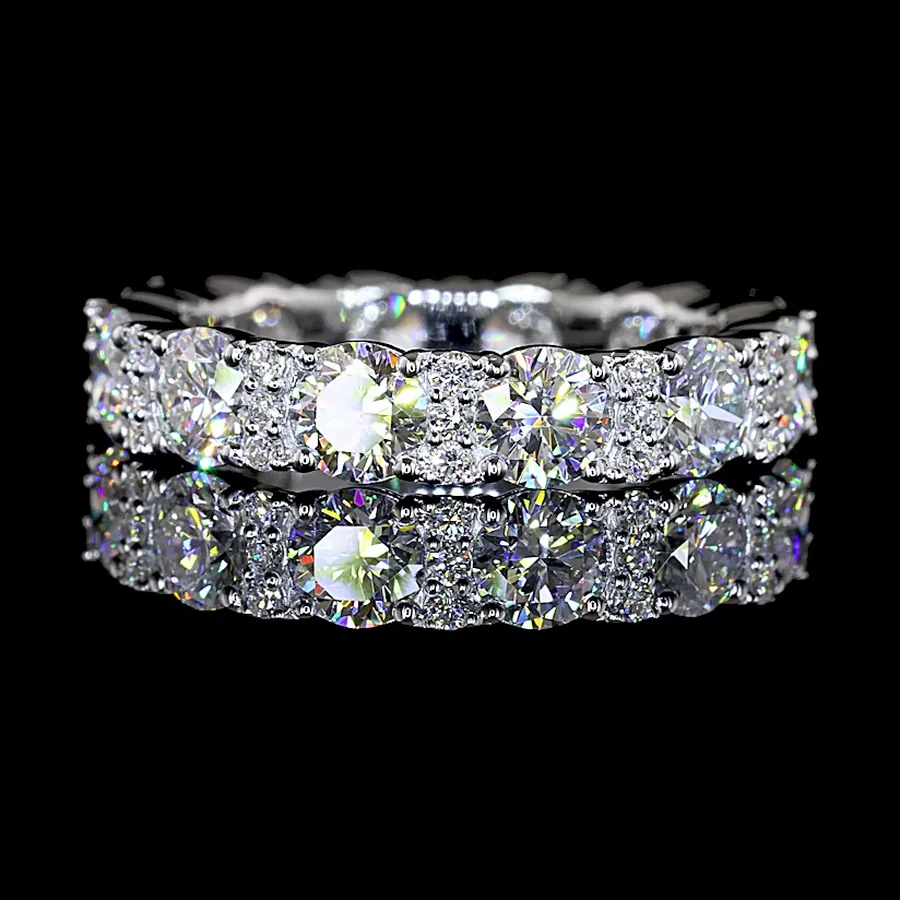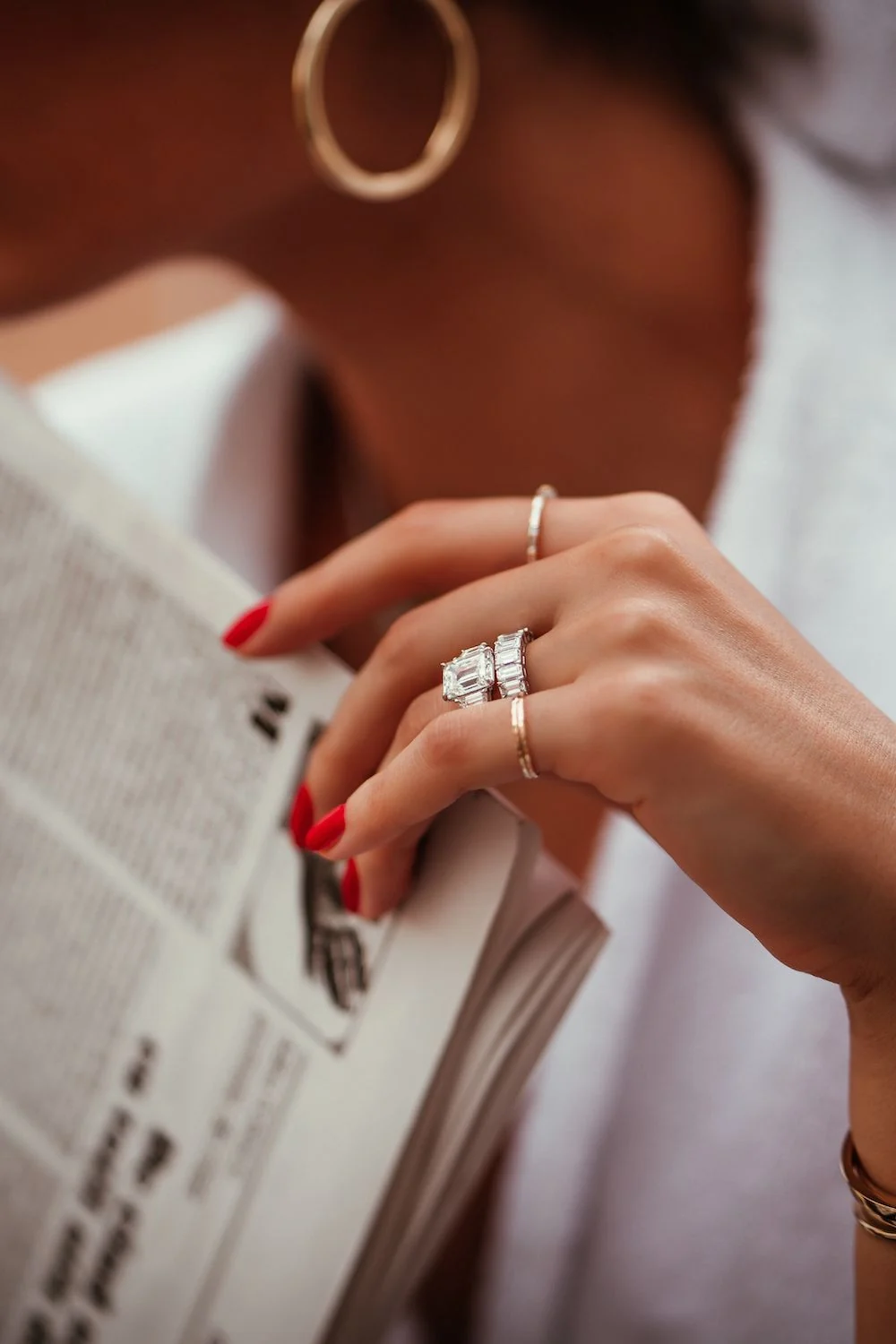
A sterling silver promise ring is a ring given to mark a commitment before, or instead of, an engagement, and silver is the metal most people choose for it. Dorvelle makes promise rings the way it makes everything else: a design from 47th Street, cast in sterling silver, set with a lab-grown diamond, priced for the metal.
What a promise ring says
A promise ring marks a commitment that the two people define themselves: a promise to marry one day, a promise of exclusivity, or a promise to stay together through a move, a deployment or a degree. The ring does not come with a definition printed on the box, and that is the point of it.
That freedom is why people like it. An engagement ring carries a script. A promise ring carries whatever the giver says when it is handed over.
| Promise ring | Engagement ring | |
|---|---|---|
| Meaning | Defined by the two people | A proposal |
| Stone | Under 2 ct, or a row of small stones | A larger center stone |
| Finger | Any; often the right ring finger | The left ring finger |
| Timing | Early, before or instead of an engagement | At the proposal |
Where the custom comes from
Rings given as a pledge go back at least to the fourteenth century, when rings engraved with a line of love, called posy rings from the French poesie, were given as tokens, betrothal rings and wedding rings. From roughly 1200 to 1500 the fashion was for a rhyming or cryptic line, in Latin or, more often, in French, the language of courtly love. In the medieval examples the line ran around the outside of the hoop; later it moved inside, where only the wearer could read it.
The Victoria and Albert Museum in London holds one of the largest collections of them, plain gold hoops, each engraved with a line of love, friendship or devotion. A promise ring is the same idea, six or seven hundred years on. A small ring, a private meaning, worn where other people can see it.
Which finger
There is no rule for which finger a promise ring goes on: the left ring finger is traditional, from the old belief that a vein ran from it to the heart, and many choose the right hand to keep the left free for later. Some wear it on the middle finger. Some move it when an engagement ring arrives.
The practical advice: pick the finger first, then measure that finger. Sizes differ from hand to hand and finger to finger, and a ring bought for the right hand will often not fit the left. How to find your ring size at home walks through it, and the size guide has the chart.
How people choose one
Three things decide most promise ring choices: something that can be worn daily, a stone that reads as a promise rather than a proposal, and a price that leaves room for what comes next.
Something that can be worn daily. A promise ring is not put away for occasions. It goes on and stays on, through typing, cooking and sleep. A lower setting and a thinner band make that easier. Rhodium, the same bright finish used on white gold, keeps the silver white under all of that, and the bench refreshes it whenever you like.
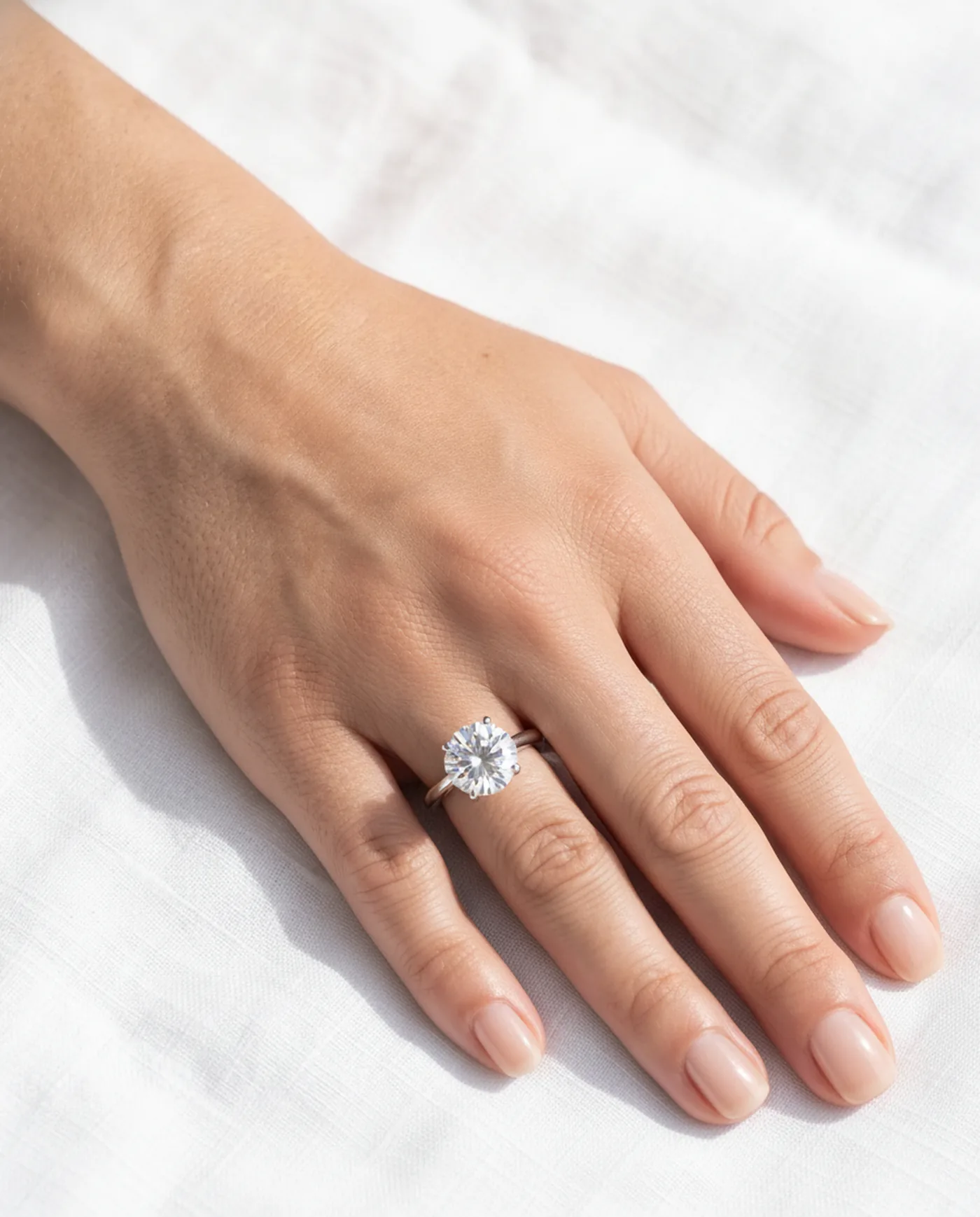
A stone, but a modest one. Most people want a diamond in a promise ring and do not want it mistaken for an engagement ring. A center stone under two carats, or a row of small stones in a band, reads as a promise. A large solitaire reads as a proposal.
A price that leaves room. The ring is a first step. Many couples would rather keep the larger purchase for the engagement ring itself, or for the life around it.
Why silver and a lab-grown stone fit the moment
A promise ring is given early, and early is when a sterling silver ring with a lab-grown diamond makes the most sense: the same design and stone as the 14k version, at a price that follows the metal.
The design is the same one the house on 47th Street makes in 14k gold. The stone is a lab-grown diamond, cut and graded the same way as the one in the gold version. The metal is sterling silver, 92.5 percent pure, stamped 925, finished in rhodium or gold vermeil. The price follows the metal down, and the stone and the design stay exactly where they were.
Then, when the engagement ring comes, the two of you can decide whether it is silver or gold. The house makes both. Sterling silver for an engagement ring is the straight answer on that choice, and why the metal became the expensive part explains the numbers behind it.
Pieces that suit a promise
The Dorvelle pieces that suit a promise are the small solitaires at 1.5 ct, the half eternity and five or seven stone bands, and matching pairs of bands or studs in the same finish.
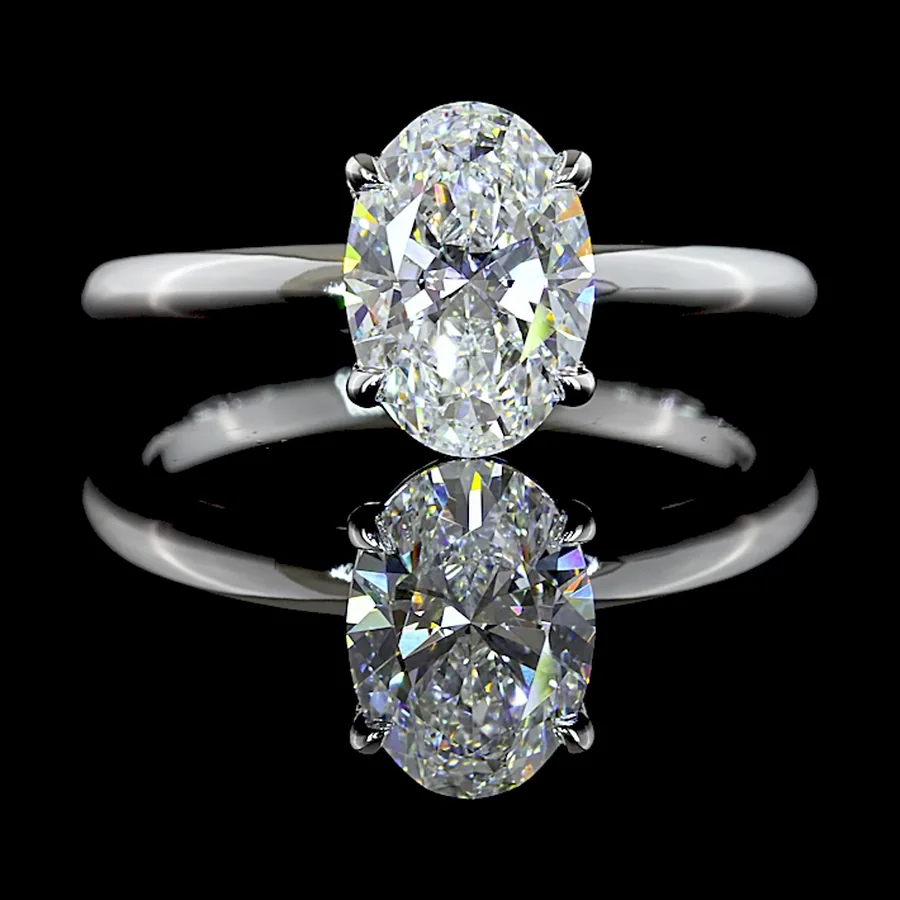
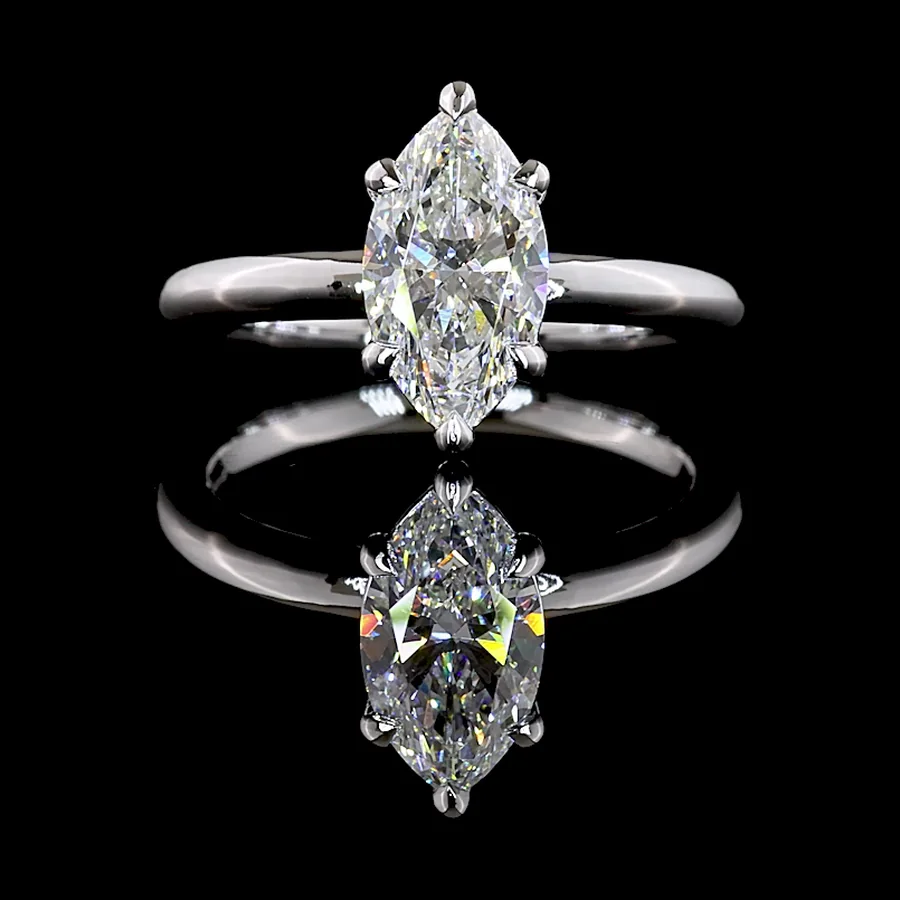
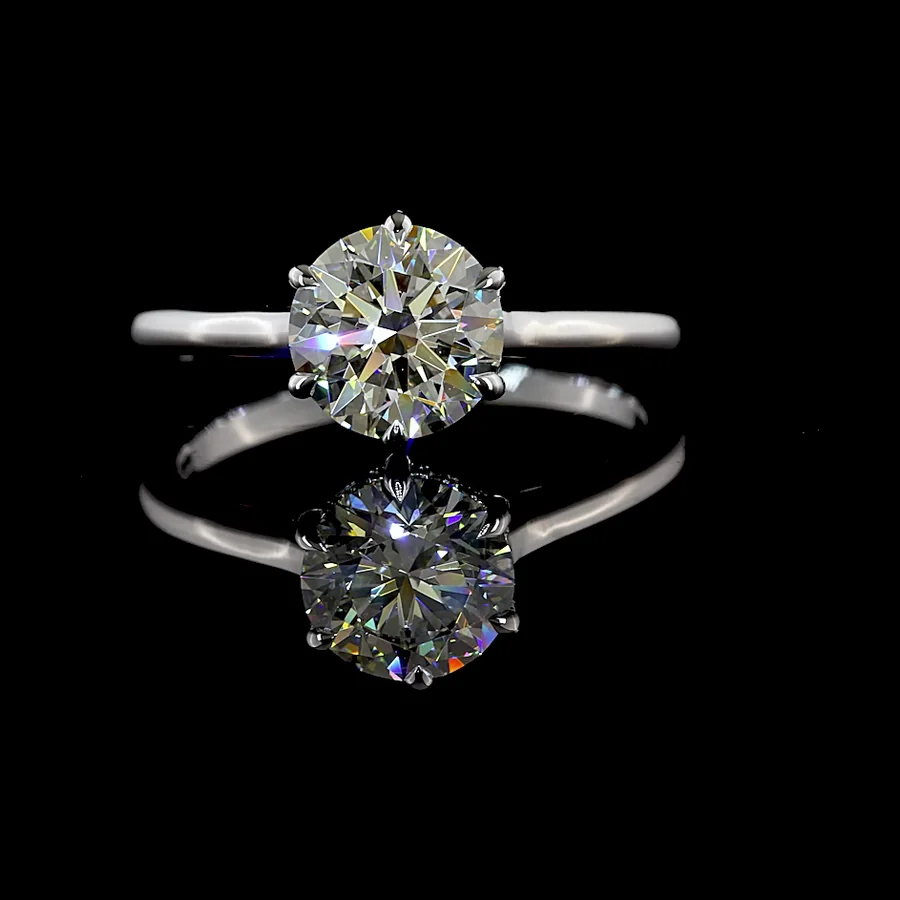
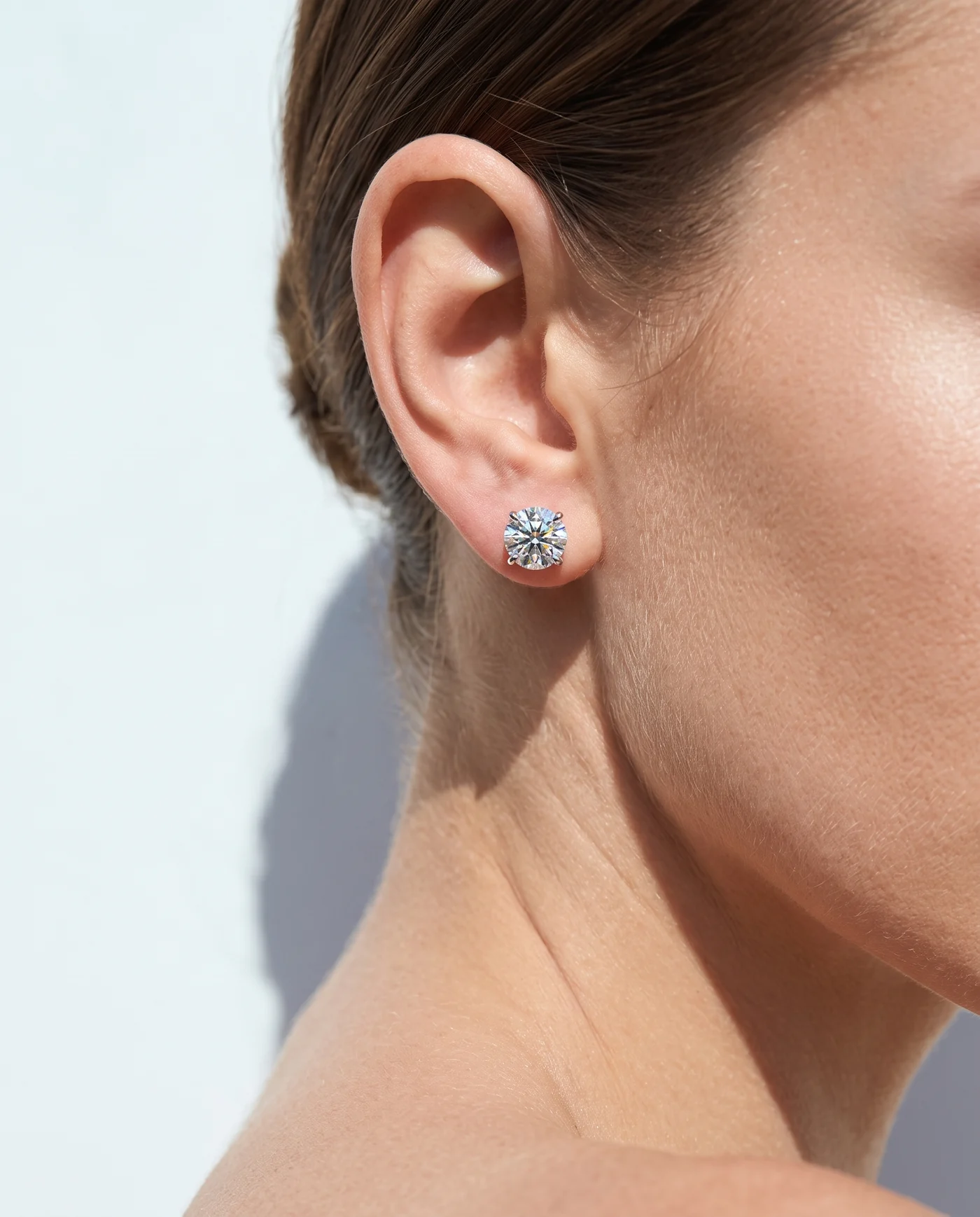
A small solitaire. The oval solitaire, 1.5 ct and the marquise solitaire, 1.5 ct sit low and read as a single clear stone. The round hidden halo, 1.5 ct adds a ring of small stones under the center, seen from the side, which is the kind of detail people give each other on purpose.
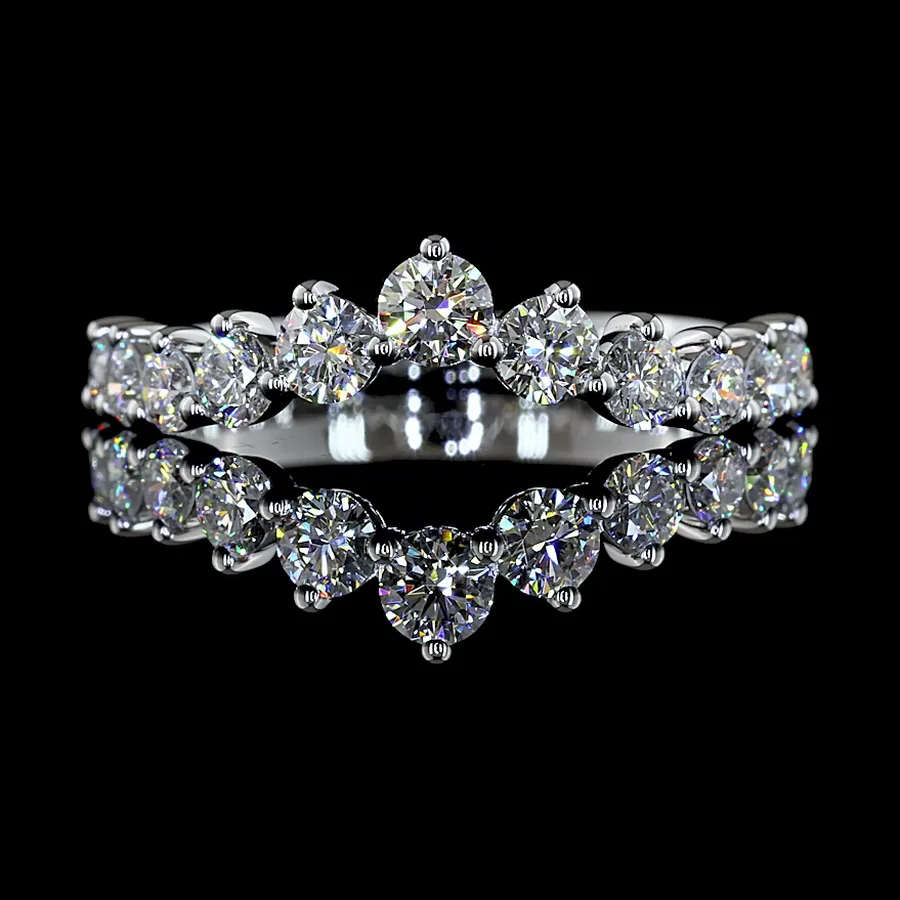
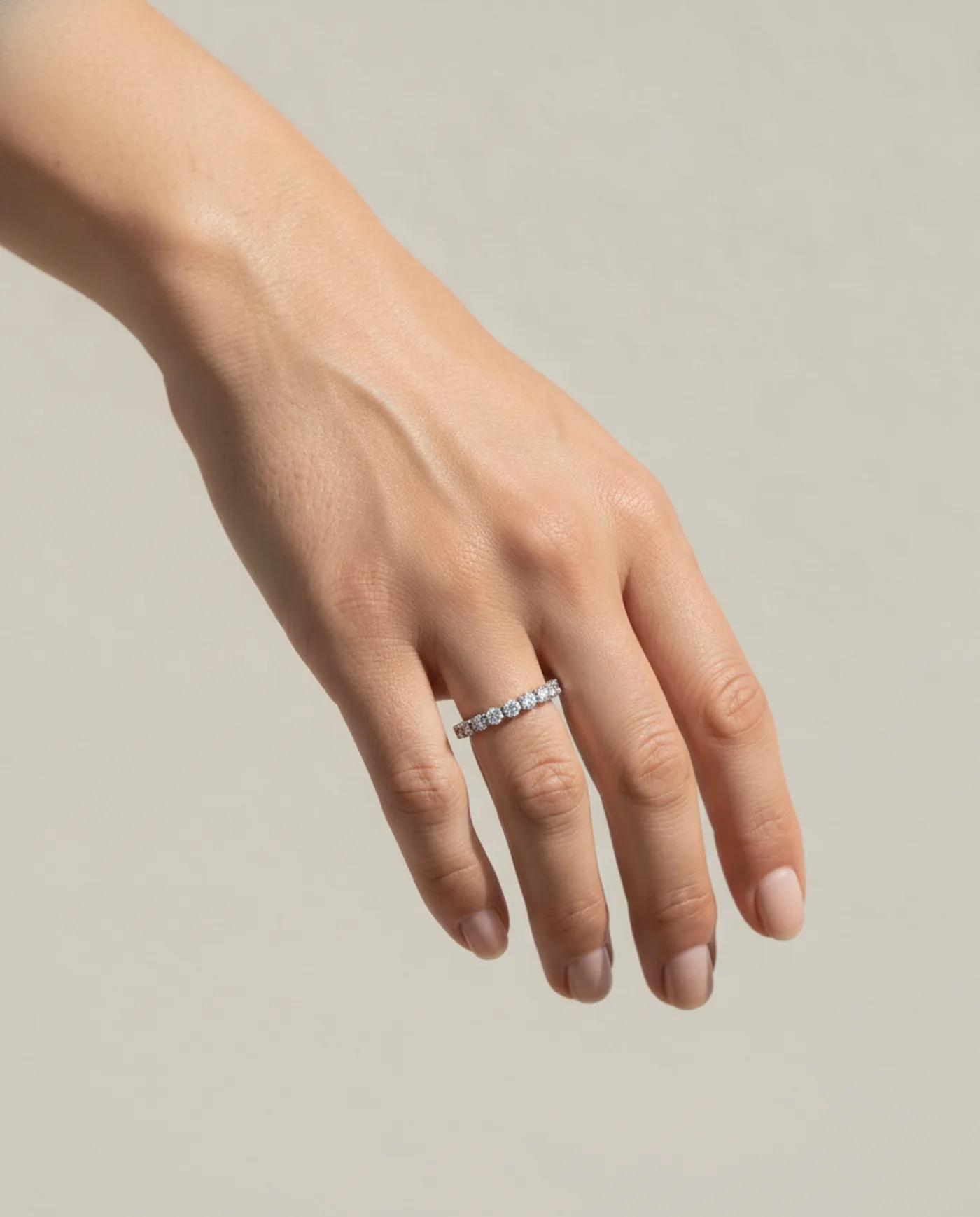
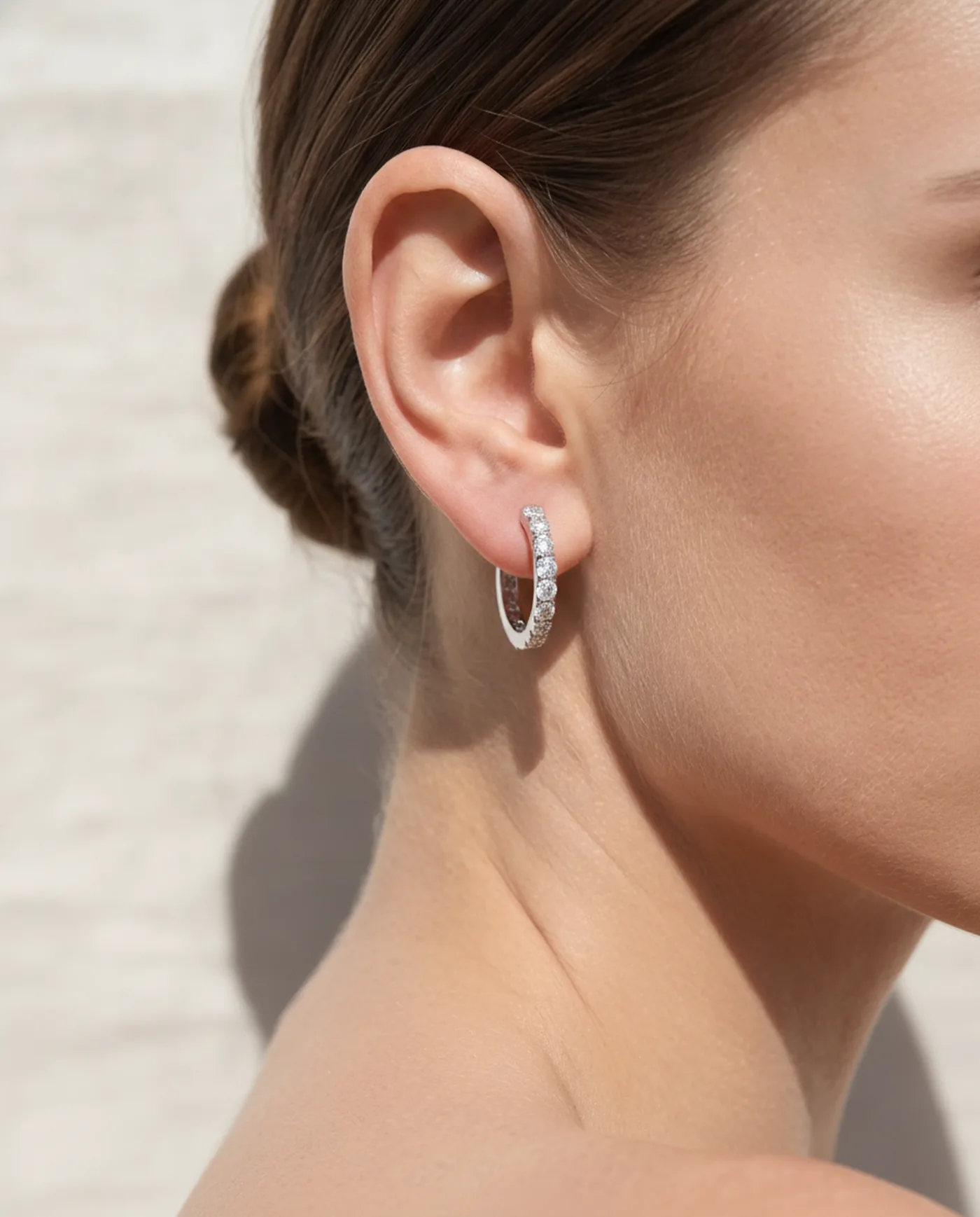
A row of stones. A band with stones set part of the way around is the classic promise ring shape, and it stacks later beside anything. The round half eternity band is the quietest. The pear five stone band and the emerald cut seven stone band have more presence and still sit flat on the hand.
Matching pieces. Some couples give each other the same thing. Two half eternity bands, or a band for one and round studs for the other, in the same finish, is a quiet way to do it.
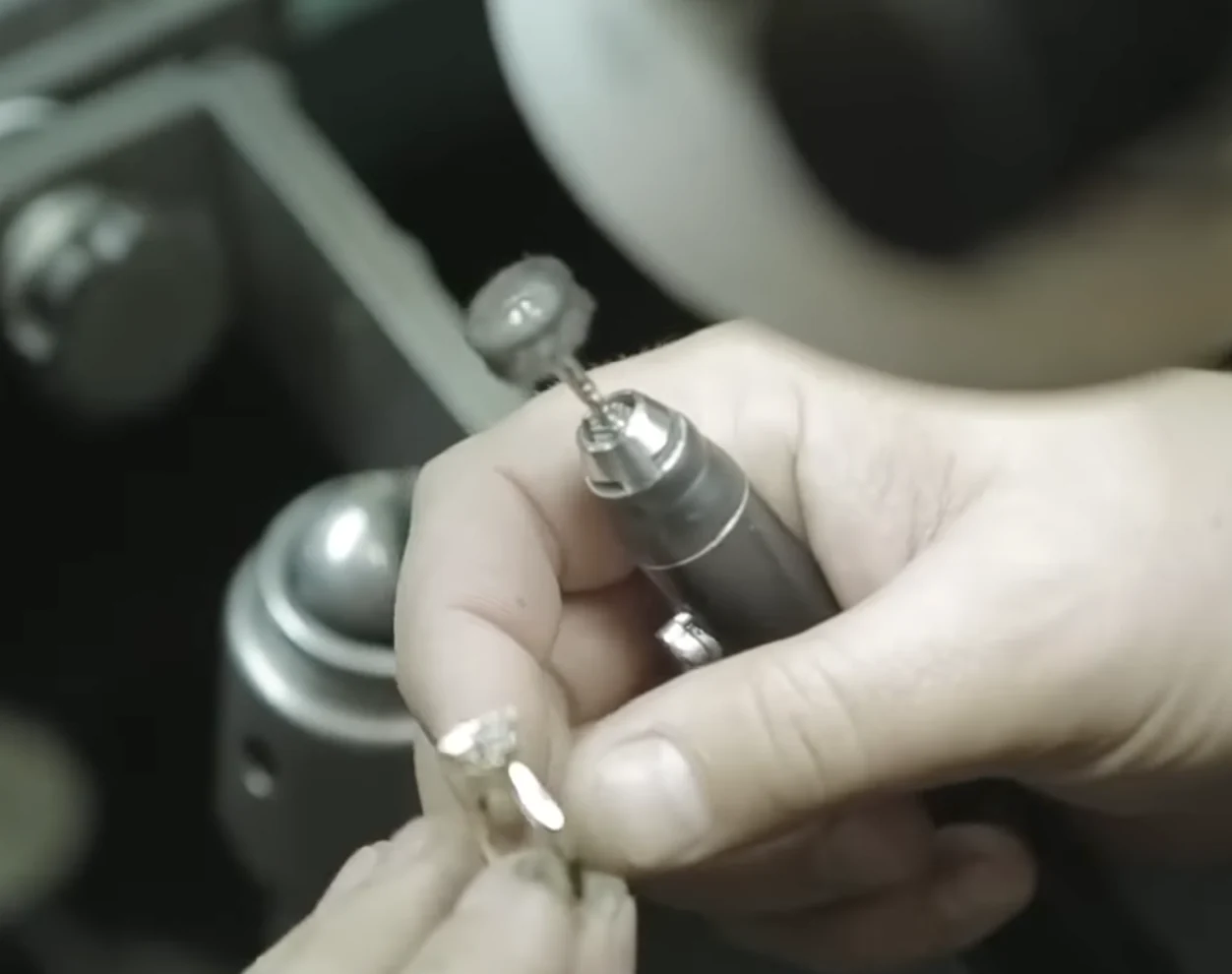
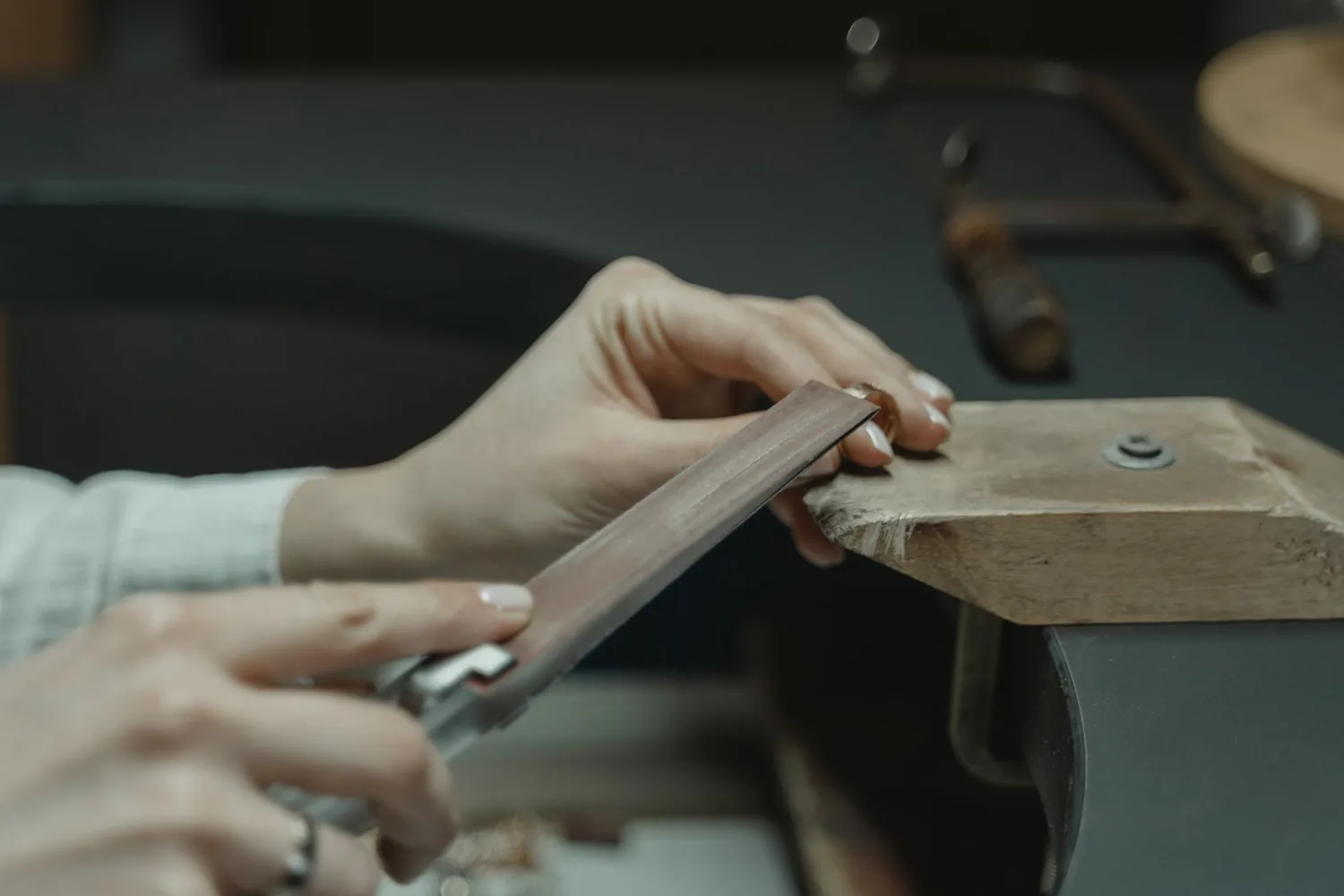
Every ring is made on the bench on 47th Street and shipped from there. Free insured shipping in the US and 30-day returns in original condition, so a ring that is the wrong size or the wrong finger can come back. The shipping page has the details.
Before you order
Before ordering a promise ring, measure the finger it will live on and decide on white or yellow, since the finish is chosen when the piece is made. If you are between sizes, or buying for someone whose size you do not know, ask a specialist and we will talk it through by text.