To clean sterling silver jewelry with a rhodium or gold vermeil finish, use lukewarm water with a drop of mild dish soap and a soft cloth, then rinse and pat dry. Skip silver dips, polishing compounds and abrasive cloths, which are made for bare silver. Dorvelle pieces are finished, not bare, and the bench refreshes the finish by mail.
The five-minute clean
The five-minute clean is lukewarm water with a drop of mild dish soap, a few minutes of soaking, a soft cloth or baby toothbrush around the stones, a rinse and a pat dry.
- Fill a bowl with lukewarm water and add a drop of mild dish soap. Not hot water, and not a sink, where a ring can go down the drain.
- Let the piece sit for a few minutes.
- Work around the stones and under the setting with a soft cloth or a very soft brush, such as a baby toothbrush. Lotion and skin oil collect behind a stone and dull it from the back; this is where most of the lost sparkle lives.
- Rinse in clean lukewarm water.
- Pat dry with a lint-free cloth and let it air for a minute before it goes back in the pouch.
That is the whole method. It is the same one jewelers give for white gold, because the surface is the same: rhodium.
What to leave in the drawer
Silver dips, polishing cloths, toothpaste, baking soda, home ultrasonic cleaners and chlorine are all made for bare metal or are abrasive, and none of them belong near a rhodium or vermeil finish.
Silver dip. Liquid dips are made to strip oxidation off bare silver. A Dorvelle piece has no bare silver on the outside, so a dip has nothing useful to do and is harsh on the finish. Skip it.
Polishing cloths and compounds. Those cloths are impregnated with a fine abrasive. On bare silver they polish; on a finished surface they are the wrong tool. A plain soft cloth is enough.
Toothpaste and baking soda. Both are abrasive. Both are a bad idea on any finished jewelry.
Ultrasonic cleaners at home. The bench uses them with the right solution and the right settings. A countertop unit with an unknown solution is not the same thing, and loose stones have been shaken looser in them. Leave ultrasonic to the bench.
Bleach, chlorine and strong cleaners. Take rings off for the pool and for cleaning the house.
| Do | Do not |
|---|---|
| Lukewarm water, a drop of mild dish soap | Silver dips |
| A soft cloth or baby toothbrush | Polishing cloths and compounds |
| Rinse, pat dry, air for a minute | Toothpaste or baking soda |
| Send it to the bench for a refresh | Home ultrasonic cleaners |
| Take it off for the pool and cleaning | Bleach, chlorine, strong cleaners |
Between cleans
Four habits keep a finished piece bright with almost no cleaning at all: jewelry on last, off for the pool, the gym and the dishes, its own pouch, and a glance at the prongs now and then.
- On last. Lotion, perfume and hairspray go on first, the jewelry after.
- Off for the pool, the gym and the dishes. Chlorine, sweat and hot soapy water are the three things a finish meets most often.
- Its own pouch. Pieces stored together scratch each other. A soft pouch per piece, in a dry place.
- A glance at the prongs. Once in a while, look at the setting. If a stone moves or a prong catches on fabric, stop wearing it and ask a specialist.
The care guide has the same list in short form.
When to send it to the bench
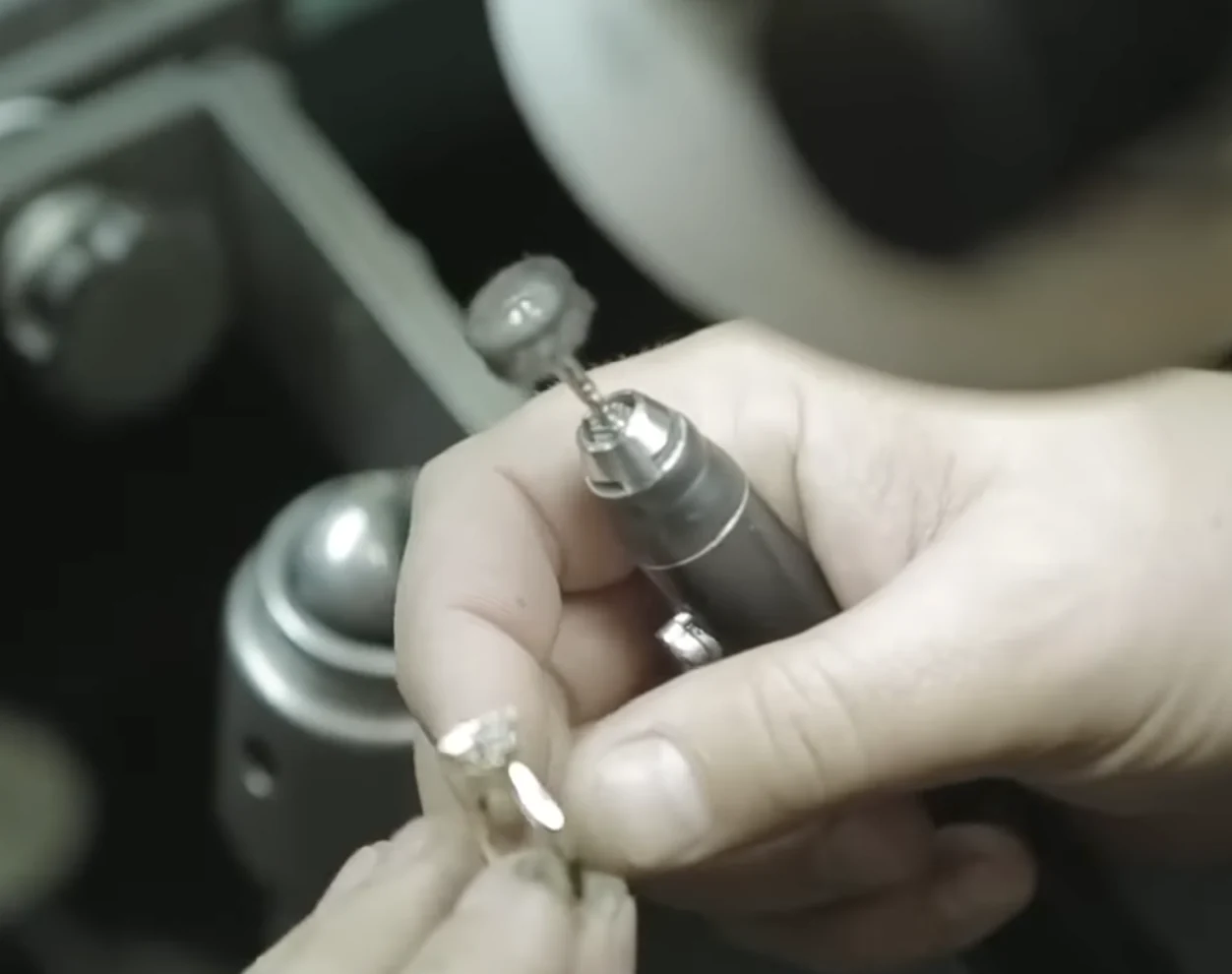
Send a piece to the bench whenever you want it looking like the day it arrived: it is cleaned, polished and re-plated in rhodium or vermeil and returned within 5 business days of arrival, the first time free and $45 after that. Request a prepaid label, drop it in the mail.
Many people send a piece in once a year, before an anniversary or a trip. It comes back new. What is rhodium explains the finish and why it refreshes so well.
Diamonds
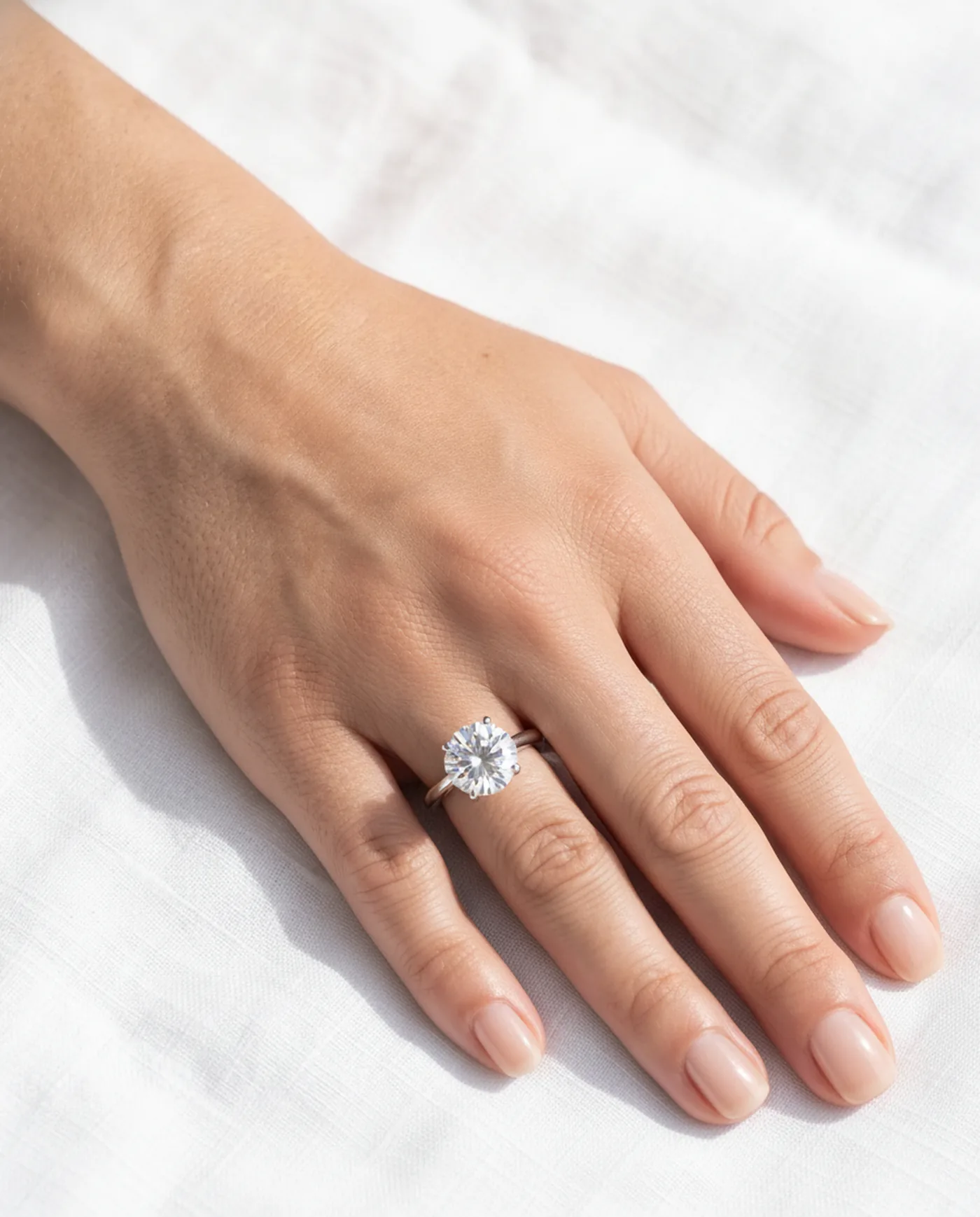
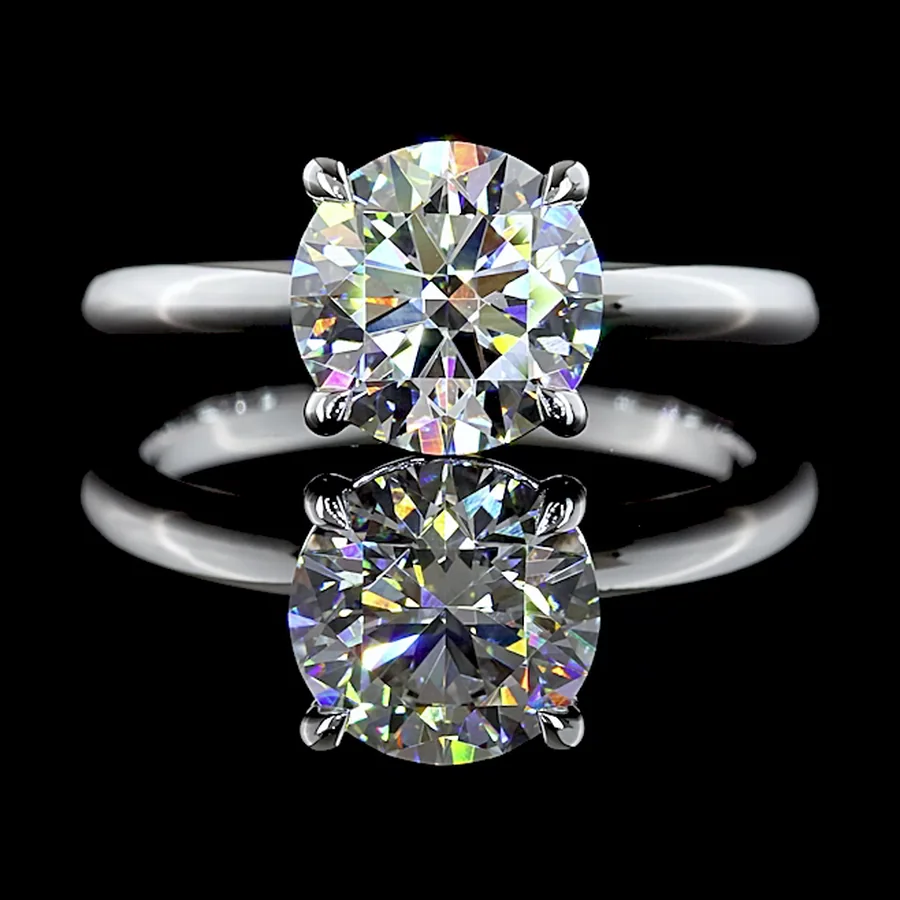
Lab-grown diamonds clean the same way as any diamond, with the soap and water method above, and the dullness people notice is almost always a film of lotion and oil on the back of the stone. Diamond is the hardest material there is. Clean behind it and the fire comes back.